Stabiliser
What is Stabiliser?
Stabilizers are substances that help prevent ingredients from separating in food products. They can be derived from natural sources like plants (e.g., gums, pectins) or produced through processes like fermentation. Stabilizers help maintain a consistent texture and appearance in foods.
Is Stabiliser gluten-free?
Gluten is not typically associated with stabilizers themselves.
Is Stabiliser a major allergen?
Most common stabilizers are not derived from major allergens.
What is Stabiliser used for?
Manufacturers add stabilizers to improve the texture, consistency, and shelf life of foods.
Is Stabiliser safe?
Stabilizers are generally recognized as safe (GRAS) by the FDA when used as intended.
Why it's used
Manufacturers add stabilizers to improve the texture, consistency, and shelf life of foods. They prevent ingredients from separating, such as oil and water in dressings or ice crystals in frozen desserts. Stabilizers are commonly found in dairy products, baked goods, sauces, dressings, and processed meats.
Health notes
Stabilizers are generally recognized as safe (GRAS) by the FDA when used as intended. International bodies like JECFA have evaluated many stabilizers. While generally considered safe in typical food amounts, some individuals may experience digestive upset from consuming large quantities of certain types of stabilizers. Evidence regarding long-term health effects at typical consumption levels is generally reassuring.
Allergen info
Most common stabilizers are not derived from major allergens. However, some stabilizers, like carrageenan, can be derived from seaweed, and others might be processed in facilities that handle allergens. Gluten is not typically associated with stabilizers themselves.
Foods that contain Stabiliser
Compare products →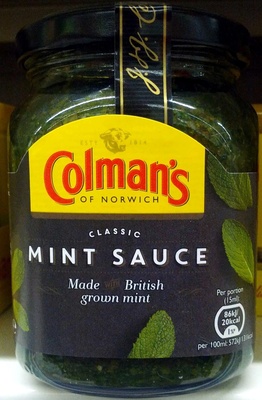



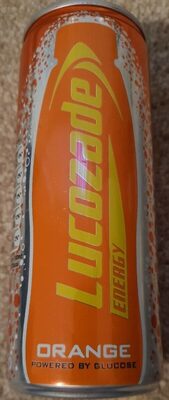


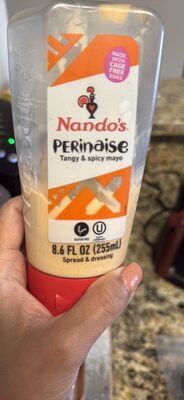
Auto-generated content. This description was generated automatically and is pending editorial review. Inaccuracies are possible. Found a mistake? Contact us.