Stabilizer Mono & Diglycerides
What is Stabilizer Mono & Diglycerides?
Mono- and diglycerides are fats that are commonly used in food. They are made by combining glycerol with fatty acids, which can come from plant or animal sources. The process typically involves heating these ingredients together.
Is Stabilizer Mono & Diglycerides gluten-free?
They do not contain gluten.
Is Stabilizer Mono & Diglycerides a major allergen?
Mono- and diglycerides are not derived from major allergens.
What is Stabilizer Mono & Diglycerides used for?
Manufacturers add mono- and diglycerides to foods to help mix ingredients that normally don't blend well, like oil and water.
Is Stabilizer Mono & Diglycerides safe?
In the U.S., mono- and diglycerides are generally recognized as safe (GRAS) by the FDA.
Why it's used
Manufacturers add mono- and diglycerides to foods to help mix ingredients that normally don't blend well, like oil and water. This is called an emulsifier. They are often found in baked goods, ice cream, margarine, and whipped toppings.
Health notes
In the U.S., mono- and diglycerides are generally recognized as safe (GRAS) by the FDA. They are a common food ingredient and are not typically associated with health concerns when consumed in normal amounts. International bodies like JECFA have evaluated them, and no significant controversies exist regarding their use at typical dietary levels.
Allergen info
Mono- and diglycerides are not derived from major allergens. They do not contain gluten.
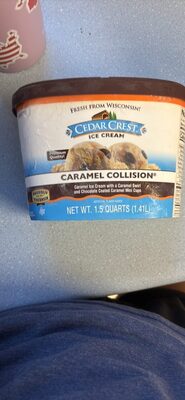
Foods that contain Stabilizer Mono & Diglycerides
Compare products →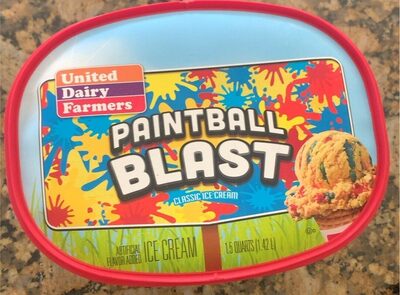
Learn more
Auto-generated content. This description was generated automatically and is pending editorial review. Inaccuracies are possible. Found a mistake? Contact us.