Stabilizers: Sorbitol
What is Stabilizers: Sorbitol?
Sorbitol is a sugar alcohol that occurs naturally in some fruits like apples and pears. It is commercially produced by the hydrogenation of glucose, a sugar derived from corn starch. It has a mild sweetness and is often used as a sugar substitute.
Is Stabilizers: Sorbitol vegan?
Stabilizers: Sorbitol is not animal-derived. Products that contain it can still include other animal-derived ingredients, so check the full ingredient list.
Is Stabilizers: Sorbitol gluten-free?
It does not contain gluten.
Is Stabilizers: Sorbitol a major allergen?
Sorbitol is not derived from any of the nine FDA major allergens.
What is Stabilizers: Sorbitol used for?
Sorbitol is used as a humectant (to retain moisture), a sweetener, and a bulking agent in foods.
Is Stabilizers: Sorbitol safe?
Sorbitol is generally recognized as safe (GRAS) by the FDA for use in food.
Why it's used
Sorbitol is used as a humectant (to retain moisture), a sweetener, and a bulking agent in foods. It is often found in sugar-free candies, baked goods, diabetic foods, and frozen desserts because it is less caloric than sugar and does not promote tooth decay.
Health notes
Sorbitol is generally recognized as safe (GRAS) by the FDA for use in food. It is poorly absorbed by the body and can have a laxative effect in larger amounts. The Joint FAO/WHO Expert Committee on Food Additives (JECFA) and the European Food Safety Authority (EFSA) have evaluated sorbitol. Some studies suggest a link between sugar alcohol intake and gut microbiome changes, but evidence is mixed and more research is needed.
Allergen info
Sorbitol is not derived from any of the nine FDA major allergens. It does not contain gluten.
Foods that contain Stabilizers: Sorbitol
Compare products →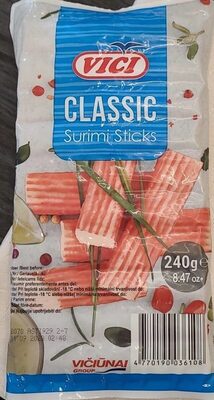
Learn more
Auto-generated content. This description was generated automatically and is pending editorial review. Inaccuracies are possible. Found a mistake? Contact us.