Stablizers
Auto-generated content. This description was generated automatically and is pending editorial review. Inaccuracies are possible. Found a mistake? Contact us.
What it is
Stabilizers are substances that help prevent ingredients from separating in foods. They are often derived from natural sources like plants (e.g., gums from seeds or seaweed) or animals (e.g., gelatin from collagen). They are processed to create powders that can be easily mixed into food products.
Why it's used
Manufacturers add stabilizers to improve the texture and consistency of foods, preventing them from becoming watery or grainy. They help create a smooth, uniform product. Stabilizers are commonly found in dairy products like ice cream and yogurt, as well as sauces, dressings, and baked goods.
Health notes
Stabilizers are generally recognized as safe (GRAS) by the FDA when used as intended. International bodies like JECFA have evaluated many stabilizers and established acceptable daily intakes. At typical consumption levels, they are not associated with adverse health effects. Some individuals may experience digestive upset with very high intakes of certain types of stabilizers.
Allergen info
Stabilizers are not typically major allergens. However, some may be derived from sources like wheat or soy, which are major allergens. It is important to check product labels for specific ingredient sourcing.
Products containing Stablizers
Compare products →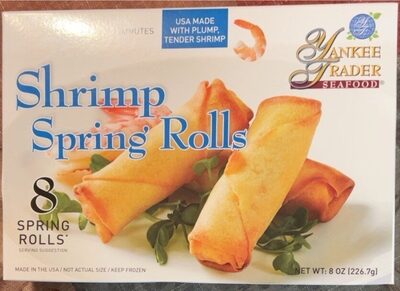 Yankee Trader Seafood Ltd.
Shrimp Spring Rolls, Shrimp
219kcal
14.1Protein
5.3Fat
28.2Carbs
Tuv-Taam Corp.
Tuv Taam, Cream Of Lox
333kcal
6.7Protein
33.3Fat
0Carbs
W.B. LLC
Buffalo Chicken Rolls, Buffalo Chicken
188kcal
7.1Protein
2.4Fat
30.6Carbs
Emma-Leigh & Co
Cauliflower Crab Cakes, Cauliflower
High in cholesterol — 28% DV per serving
94kcal
11.8Protein
4.1Fat
3.5Carbs
Yankee Trader Seafood Ltd.
Shrimp Spring Rolls, Shrimp
219kcal
14.1Protein
5.3Fat
28.2Carbs
Tuv-Taam Corp.
Tuv Taam, Cream Of Lox
333kcal
6.7Protein
33.3Fat
0Carbs
W.B. LLC
Buffalo Chicken Rolls, Buffalo Chicken
188kcal
7.1Protein
2.4Fat
30.6Carbs
Emma-Leigh & Co
Cauliflower Crab Cakes, Cauliflower
High in cholesterol — 28% DV per serving
94kcal
11.8Protein
4.1Fat
3.5Carbs