Starch Sodium Octenyl Succinate
What is Starch Sodium Octenyl Succinate?
Starch Sodium Octenyl Succinate is a modified food starch. It is made by chemically altering corn starch, a carbohydrate derived from corn. The process involves reacting starch with chemicals to change its properties.
Is Starch Sodium Octenyl Succinate vegan?
Starch Sodium Octenyl Succinate is not animal-derived. Products that contain it can still include other animal-derived ingredients, so check the full ingredient list.
Is Starch Sodium Octenyl Succinate a major allergen?
Not a major allergen.
What is Starch Sodium Octenyl Succinate used for?
Manufacturers add this ingredient to foods as an emulsifier and stabilizer.
Is Starch Sodium Octenyl Succinate safe?
Starch Sodium Octenyl Succinate is generally recognized as safe (GRAS) by the FDA for use in food.
Why it's used
Manufacturers add this ingredient to foods as an emulsifier and stabilizer. It helps to keep oil and water mixed together and prevents ingredients from separating. It is often found in beverages, sauces, and dressings.
Health notes
Starch Sodium Octenyl Succinate is generally recognized as safe (GRAS) by the FDA for use in food. Regulatory bodies like JECFA and EFSA have evaluated modified starches, and they are permitted for use in many countries. There is no evidence to suggest adverse health effects from consuming this ingredient at typical levels found in food.
Allergen info
Not a major allergen. It is derived from corn, which is not one of the nine major allergens.
Foods that contain Starch Sodium Octenyl Succinate
Compare products →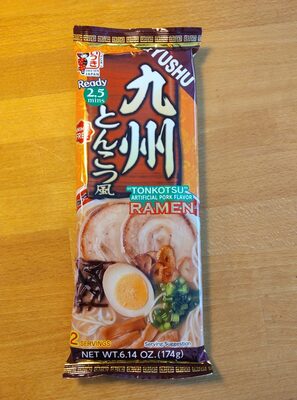
Learn more
Auto-generated content. This description was generated automatically and is pending editorial review. Inaccuracies are possible. Found a mistake? Contact us.