Stick: Wheat Flour Enriched
What is Stick: Wheat Flour Enriched?
Wheat flour enriched is made from wheat grains that have been milled into a fine powder. Enrichment adds back certain vitamins and iron that are lost during the milling process, including thiamin, riboflavin, niacin, folic acid, and iron.
Is Stick: Wheat Flour Enriched vegan?
Stick: Wheat Flour Enriched is not animal-derived. Products that contain it can still include other animal-derived ingredients, so check the full ingredient list.
Is Stick: Wheat Flour Enriched gluten-free?
It also contains gluten.
Is Stick: Wheat Flour Enriched a major allergen?
Wheat flour is derived from wheat, which is one of the 9 FDA major allergens.
What is Stick: Wheat Flour Enriched used for?
Enriched wheat flour is a staple ingredient in many baked goods, serving as the primary structural component.
Is Stick: Wheat Flour Enriched safe?
Enriched wheat flour is generally recognized as safe (GRAS) by the FDA for use in food.
Why it's used
Enriched wheat flour is a staple ingredient in many baked goods, serving as the primary structural component. It is commonly found in breads, pasta, cookies, cakes, and pastries, providing the base for a wide variety of food products.
Health notes
Enriched wheat flour is generally recognized as safe (GRAS) by the FDA for use in food. The added nutrients contribute to meeting daily dietary recommendations for these vitamins and minerals. JECFA has evaluated wheat flour and found it acceptable for consumption. No significant health concerns are associated with the typical consumption of enriched wheat flour.
Allergen info
Wheat flour is derived from wheat, which is one of the 9 FDA major allergens. It also contains gluten.
Foods that contain Stick: Wheat Flour Enriched
Compare products →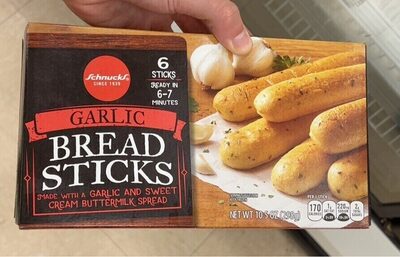
Learn more
Auto-generated content. This description was generated automatically and is pending editorial review. Inaccuracies are possible. Found a mistake? Contact us.