Sugar Gelatin
What is Sugar Gelatin?
Gelatin is a protein derived from collagen, a component of animal connective tissues like skin and bones. It is typically made by boiling animal parts, then filtering, clarifying, and drying the liquid. When rehydrated and heated, it forms a gel, and when cooled, it solidifies.
Is Sugar Gelatin vegan?
No. Sugar Gelatin is animal-derived, so it is not vegan.
Is Sugar Gelatin gluten-free?
It does not contain gluten.
Is Sugar Gelatin a major allergen?
Gelatin is not derived from any of the 9 FDA major allergens.
What is Sugar Gelatin used for?
Gelatin is primarily used as a gelling agent, thickener, and stabilizer in foods.
Is Sugar Gelatin safe?
In the US, gelatin is generally recognized as safe (GRAS) by the FDA for use in food.
Why it's used
Gelatin is primarily used as a gelling agent, thickener, and stabilizer in foods. It gives a chewy texture to candies like gummy bears and marshmallows, and helps set desserts like Jell-O and mousses. It can also be used in yogurts and ice cream to improve texture.
Health notes
In the US, gelatin is generally recognized as safe (GRAS) by the FDA for use in food. It is a protein source, but it is not a complete protein as it lacks certain essential amino acids. International bodies like JECFA have evaluated gelatin and set an acceptable daily intake. There are no widespread health controversies associated with typical consumption of gelatin.
Allergen info
Gelatin is not derived from any of the 9 FDA major allergens. It does not contain gluten.
Foods that contain Sugar Gelatin
Compare products →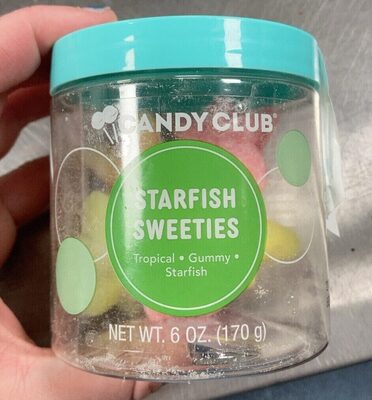

Learn more
Auto-generated content. This description was generated automatically and is pending editorial review. Inaccuracies are possible. Found a mistake? Contact us.