Sumac
What is Sumac?
Sumac is a spice made from the dried and ground berries of the Rhus genus of plants. These plants are native to temperate and tropical regions around the world. The berries are typically dried and then ground into a coarse powder, often with a deep red color.
Is Sumac vegan?
Sumac is not animal-derived. Products that contain it can still include other animal-derived ingredients, so check the full ingredient list.
Is Sumac gluten-free?
It does not contain gluten.
Is Sumac a major allergen?
Sumac is not derived from any of the nine FDA major allergens.
What is Sumac used for?
Sumac is primarily used as a spice to add a tart, lemony flavor to foods.
Is Sumac safe?
Sumac is generally recognized as safe (GRAS) by the FDA when used as a spice.
Why it's used
Sumac is primarily used as a spice to add a tart, lemony flavor to foods. Manufacturers use it to enhance the taste of savory dishes, marinades, and spice blends. It is commonly found in Middle Eastern cuisine, rubs for meats, and as a seasoning for vegetables and dips.
Health notes
Sumac is generally recognized as safe (GRAS) by the FDA when used as a spice. It is not typically evaluated by international bodies like JECFA or EFSA for specific additive functions. Some studies suggest sumac may have antioxidant properties, but more research is needed to confirm these effects at typical dietary intake levels. No significant health controversies are associated with its use as a food ingredient.
Allergen info
Sumac is not derived from any of the nine FDA major allergens. It does not contain gluten.
Foods that contain Sumac
Compare products →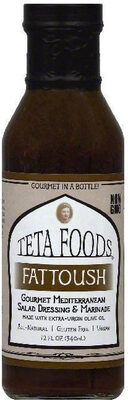
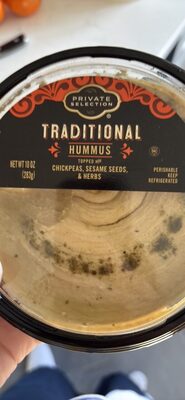
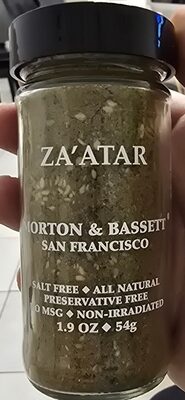
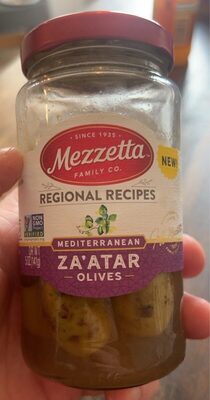
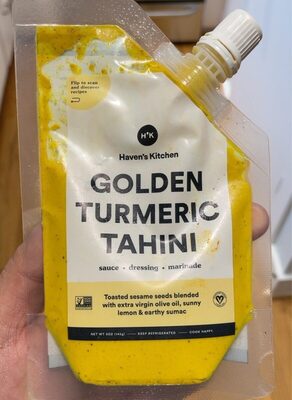
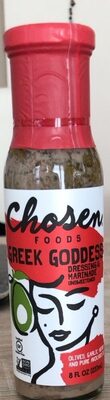

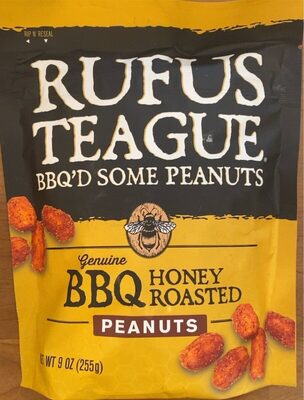
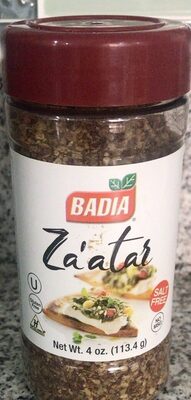
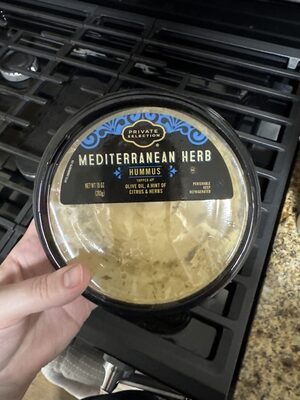 Private Selection
Mediterranean Herb Hummus, Mediterranean Herb
250kcal
7.1Protein
21.4Fat
14.3Carbs
Learn more
Auto-generated content. This description was generated automatically and is pending editorial review. Inaccuracies are possible. Found a mistake? Contact us.