Sunflower And Canola Oil
What is Sunflower And Canola Oil?
Sunflower and canola oils are common vegetable oils used in cooking and food manufacturing. Sunflower oil comes from pressing the seeds of the sunflower plant. Canola oil is made from rapeseed, a plant in the mustard family, and is processed to reduce its natural bitterness.
Is Sunflower And Canola Oil vegan?
Sunflower And Canola Oil is not animal-derived. Products that contain it can still include other animal-derived ingredients, so check the full ingredient list.
Is Sunflower And Canola Oil gluten-free?
They do not contain gluten.
Is Sunflower And Canola Oil a major allergen?
Neither sunflower oil nor canola oil are derived from the 9 FDA major allergens.
What is Sunflower And Canola Oil used for?
These oils are added to foods for their neutral flavor, smooth texture, and ability to prevent sticking.
Is Sunflower And Canola Oil safe?
Both sunflower and canola oils are generally recognized as safe (GRAS) by the FDA for use in food.
Why it's used
These oils are added to foods for their neutral flavor, smooth texture, and ability to prevent sticking. They are frequently found in baked goods, salad dressings, fried foods, snacks like chips and pretzels, and spreads.
Health notes
Both sunflower and canola oils are generally recognized as safe (GRAS) by the FDA for use in food. They are sources of unsaturated fats, including omega-6 and omega-3 fatty acids, which are important for health. Regulatory bodies like JECFA have evaluated these oils. Evidence on the health effects of consuming these oils at typical dietary levels is generally consistent with their role in a balanced diet.
Allergen info
Neither sunflower oil nor canola oil are derived from the 9 FDA major allergens. They do not contain gluten.
Foods that contain Sunflower And Canola Oil
Compare products →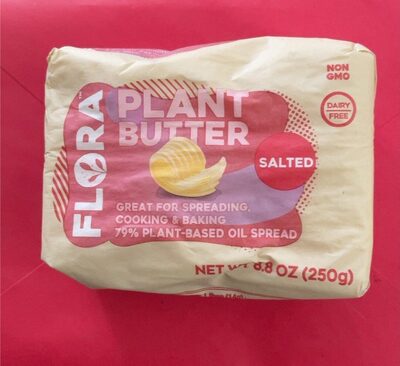 Upfield US Inc
Salted Plant Butter, Salted
High in saturated fat — 35% DV per serving
714kcal
0Protein
78.6Fat
0Carbs
Upfield US Inc
Salted Plant Butter, Salted
High in saturated fat — 35% DV per serving
714kcal
0Protein
78.6Fat
0Carbs
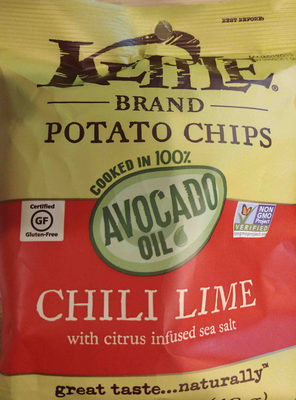 Snyder's-Lance, Inc.
Chili Lime Potato Chips, Chili Lime
357kcal
7.1Protein
21.4Fat
61.9Carbs
Snyder's-Lance, Inc.
Potato Chips, Chili Lime
464kcal
7.1Protein
21.4Fat
64.3Carbs
Snyder's-Lance, Inc.
Potato Chips, Avocado Oil, Chili Lime
464kcal
7.1Protein
21.4Fat
64.3Carbs
Better Made Snack Foods, Inc.
Better Made, Flavored Popcorn, Red Hot Cheese
607kcal
3.6Protein
42.9Fat
46.4Carbs
Snyder's-Lance, Inc.
Chili Lime With Citrus Infused Sea Salt Potato Chips, Chili Lime
357kcal
7.1Protein
21.4Fat
60.7Carbs
Snyder's-Lance, Inc.
Chili Lime Potato Chips, Chili Lime
357kcal
7.1Protein
21.4Fat
61.9Carbs
Snyder's-Lance, Inc.
Potato Chips, Chili Lime
464kcal
7.1Protein
21.4Fat
64.3Carbs
Snyder's-Lance, Inc.
Potato Chips, Avocado Oil, Chili Lime
464kcal
7.1Protein
21.4Fat
64.3Carbs
Better Made Snack Foods, Inc.
Better Made, Flavored Popcorn, Red Hot Cheese
607kcal
3.6Protein
42.9Fat
46.4Carbs
Snyder's-Lance, Inc.
Chili Lime With Citrus Infused Sea Salt Potato Chips, Chili Lime
357kcal
7.1Protein
21.4Fat
60.7Carbs
Learn more
Auto-generated content. This description was generated automatically and is pending editorial review. Inaccuracies are possible. Found a mistake? Contact us.