Sunflower And Palm Oils
Auto-generated content. This description was generated automatically and is pending editorial review. Inaccuracies are possible. Found a mistake? Contact us.
What it is
Sunflower and palm oils are fats extracted from sunflower seeds and palm fruit, respectively. Sunflower oil is known for its light flavor and high smoke point, while palm oil is semi-solid at room temperature and has a neutral taste. Both are widely used in food production.
Why it's used
These oils are used as cooking oils and as ingredients in processed foods. They function as fats and oils, providing texture, mouthfeel, and helping to carry flavors. They are commonly found in baked goods, snacks, cereals, and processed meals.
Health notes
Sunflower and palm oils are generally recognized as safe (GRAS) by the FDA for use in food. They are sources of fatty acids, including saturated and unsaturated fats. While palm oil contains saturated fat, which has been linked to increased cholesterol levels when consumed in excess, sunflower oil is primarily unsaturated. Regulatory bodies like JECFA and EFSA have evaluated these oils. Current research on the health effects of dietary fats continues, with dietary guidelines recommending a balance of fat types.
Allergen info
Neither sunflower oil nor palm oil are derived from any of the 9 major allergens. They do not contain gluten.
Products containing Sunflower And Palm Oils
Compare products →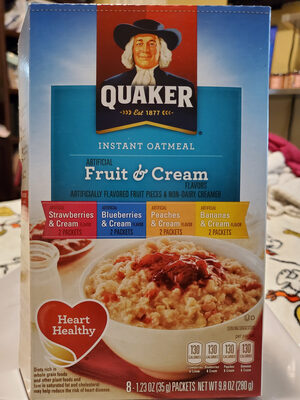 Pepsico Inc.
Quaker Fruit & Cream Instant Oatmeal Variety Pack (8-1.23 Ounce) 9.8 Ounce 8 Pack Paper Packets
382kcal
8.0Protein
6.4Fat
76.2Carbs
The Quaker Oats Company
Strawberries & Cream Flavored Fruit Pieces & Non-Dairy Creamer Instant Oatmeal, Strawberries & Cream
371kcal
8.6Protein
5.7Fat
77.1Carbs
Pepsico Inc.
Quaker Fruit & Cream Instant Oatmeal Variety Pack (8-1.23 Ounce) 9.8 Ounce 8 Pack Paper Packets
382kcal
8.0Protein
6.4Fat
76.2Carbs
The Quaker Oats Company
Strawberries & Cream Flavored Fruit Pieces & Non-Dairy Creamer Instant Oatmeal, Strawberries & Cream
371kcal
8.6Protein
5.7Fat
77.1Carbs
 The Quaker Oats Company
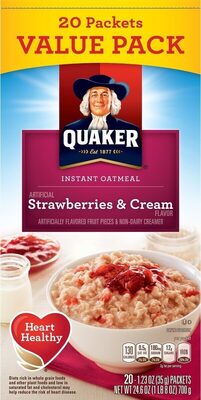
Strawberries & Cream Flavored Fruit Pieces & Non-Dairy Creamer Instant Oatmeal, Strawberries & Cream
371kcal
8.6Protein
5.7Fat
77.1Carbs
The Quaker Oats Company
Strawberries & Cream Flavored Fruit Pieces & Non-Dairy Creamer Instant Oatmeal, Strawberries & Cream
371kcal
8.6Protein
5.7Fat
77.1Carbs
 The Quaker Oats Company
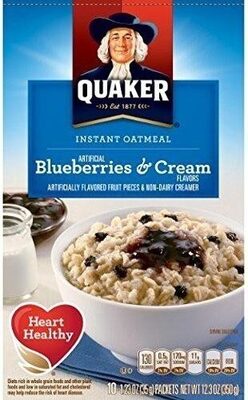
Blueberries & Cream Flavored Fruit Pieces & Non-Dairy Creamer Instant Oatmeal, Blueberries & Cream
371kcal
8.6Protein
5.7Fat
74.3Carbs
The Quaker Oats Company
Blueberries & Cream Flavored Fruit Pieces & Non-Dairy Creamer Instant Oatmeal, Blueberries & Cream
371kcal
8.6Protein
5.7Fat
74.3Carbs
 The Quaker Oats Company
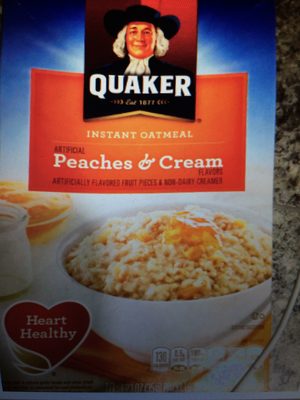
Peaches & Cream Flavored Instant Oatmeal, Peaches & Cream
371kcal
8.6Protein
7.1Fat
77.1Carbs
The Quaker Oats Company
Peaches & Cream Flavored Instant Oatmeal, Peaches & Cream
371kcal
8.6Protein
7.1Fat
77.1Carbs