Sunflower Canola Soybean Oil
What is Sunflower Canola Soybean Oil?
This is a blend of oils derived from sunflower seeds, canola seeds, and soybeans. These seeds are typically pressed or solvent-extracted to obtain the oil, which is then refined, bleached, and deodorized for use in food products. The blend aims to provide a balanced flavor and functional profile.
Is Sunflower Canola Soybean Oil vegan?
Sunflower Canola Soybean Oil is not animal-derived. Products that contain it can still include other animal-derived ingredients, so check the full ingredient list.
Is Sunflower Canola Soybean Oil a major allergen?
Soybean oil is derived from soy, which is one of the 9 FDA major allergens.
What is Sunflower Canola Soybean Oil used for?
This oil blend is used as a cooking oil and a source of fat in processed foods.
Is Sunflower Canola Soybean Oil safe?
This blend of vegetable oils is generally recognized as safe (GRAS) by the FDA for use in food.
Why it's used
This oil blend is used as a cooking oil and a source of fat in processed foods. Manufacturers add it for its neutral flavor, smooth texture, and ability to improve mouthfeel and shelf life. It is commonly found in baked goods, snacks, dressings, and margarines.
Health notes
This blend of vegetable oils is generally recognized as safe (GRAS) by the FDA for use in food. These oils are a source of unsaturated fats, including omega-6 and omega-3 fatty acids. While generally considered healthy in moderation as part of a balanced diet, excessive intake of any fat can contribute to weight gain. JECFA has evaluated various vegetable oils and established acceptable daily intakes where appropriate.
Allergen info
Soybean oil is derived from soy, which is one of the 9 FDA major allergens. Therefore, this ingredient blend is considered a major allergen.
Foods that contain Sunflower Canola Soybean Oil
Compare products →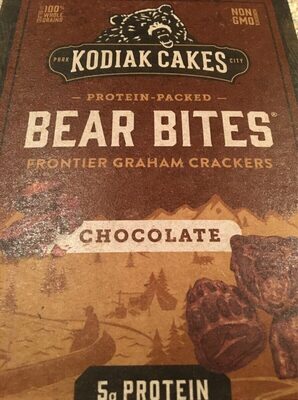 Baker Mills
Chocolate Bear Bites Baked Graham Crackers, Chocolate
400kcal
16.7Protein
15Fat
53.3Carbs
Baker Mills
Chocolate Bear Bites Baked Graham Crackers, Chocolate
400kcal
16.7Protein
15Fat
53.3Carbs
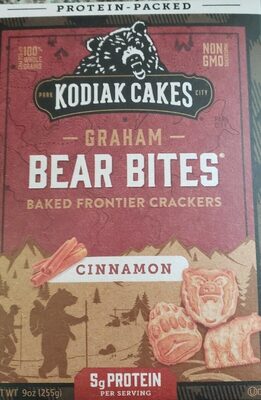 Baker Mills
Cinnamon Bear Bites Baked Graham Crackers, Cinnamon
333kcal
16.7Protein
11.7Fat
60Carbs
Baker Mills
Cinnamon Bear Bites Baked Graham Crackers, Cinnamon
333kcal
16.7Protein
11.7Fat
60Carbs
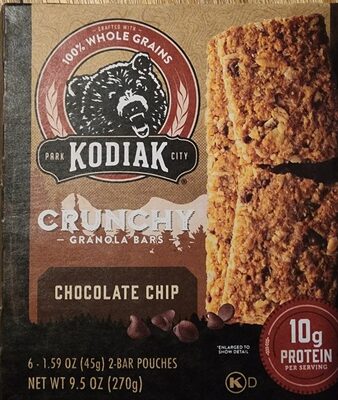 Baker Mills
Chocolate Chip Crunchy Granola Bars, Chocolate Chip
High in added sugars — 22% DV per serving
467kcal
22.2Protein
17.8Fat
55.6Carbs
Baker Mills
Chocolate Chip Crunchy Granola Bars, Chocolate Chip
High in added sugars — 22% DV per serving
467kcal
22.2Protein
17.8Fat
55.6Carbs
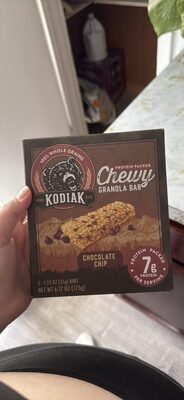 Baker Mills
Chocolate Chip Chewy Granola Bars, Chocolate Chip
400kcal
20Protein
10Fat
57.1Carbs
Baker Mills
Chocolate Chip Chewy Granola Bars, Chocolate Chip
400kcal
20Protein
10Fat
57.1Carbs
 Baker Mills
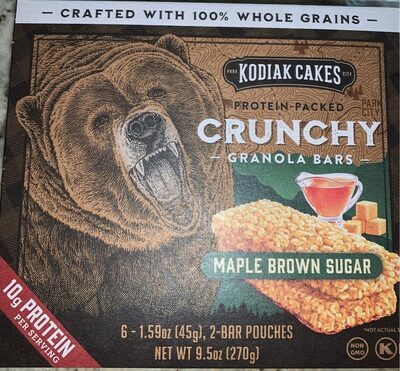
Maple Brown Sugar Crunchy Granola Bars, Maple Brown Sugar
High in added sugars — 22% DV per serving
467kcal
22.2Protein
15.6Fat
57.8Carbs
Baker Mills
Maple Brown Sugar Crunchy Granola Bars, Maple Brown Sugar
High in added sugars — 22% DV per serving
467kcal
22.2Protein
15.6Fat
57.8Carbs
 Baker Mills
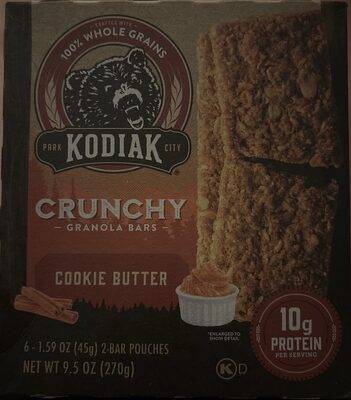
Cookie Butter Crunchy Granola Bars, Cookie Butter
High in added sugars — 20% DV per serving
467kcal
22.2Protein
20Fat
51.1Carbs
Baker Mills
Cookie Butter Crunchy Granola Bars, Cookie Butter
High in added sugars — 20% DV per serving
467kcal
22.2Protein
20Fat
51.1Carbs
 Baker Mills
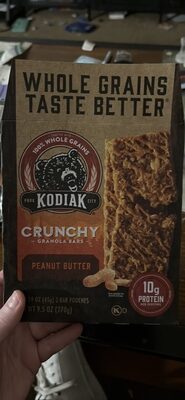
Peanut Butter Crunchy Granola Bars, Peanut Butter
High in added sugars — 20% DV per serving
467kcal
22.2Protein
22.2Fat
48.9Carbs
Baker Mills
Peanut Butter Crunchy Granola Bars, Peanut Butter
High in added sugars — 20% DV per serving
467kcal
22.2Protein
22.2Fat
48.9Carbs
Learn more
Auto-generated content. This description was generated automatically and is pending editorial review. Inaccuracies are possible. Found a mistake? Contact us.