Surfactant
What is Surfactant?
Surfactants, or surface-active agents, are compounds that lower the surface tension between two liquids, a gas and a liquid, or a liquid and a solid. They are often made from fats and oils, either animal or plant-based, or from petroleum. Surfactants can be synthesized through various chemical processes.
Is Surfactant gluten-free?
Gluten is also not a concern unless the surfactant is processed with gluten-containing ingredients.
Is Surfactant a major allergen?
Surfactants are not typically derived from the 9 FDA major allergens.
What is Surfactant used for?
Manufacturers add surfactants to foods to help ingredients mix together that normally wouldn't, like oil and water.
Is Surfactant safe?
In the U.S., many surfactants are Generally Recognized As Safe (GRAS) by the FDA for specific uses.
Why it's used
Manufacturers add surfactants to foods to help ingredients mix together that normally wouldn't, like oil and water. This helps create smoother textures and prevents separation in products. They are commonly found in baked goods, confectionery, and processed foods.
Health notes
In the U.S., many surfactants are Generally Recognized As Safe (GRAS) by the FDA for specific uses. International bodies like JECFA have evaluated various surfactants. While generally considered safe at typical consumption levels, some studies have explored potential impacts on gut health, though evidence is mixed and often based on high doses not reflective of normal dietary intake. Regulatory bodies continue to monitor scientific findings.
Allergen info
Surfactants are not typically derived from the 9 FDA major allergens. Gluten is also not a concern unless the surfactant is processed with gluten-containing ingredients. Not a major allergen.
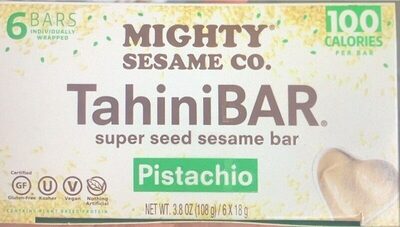
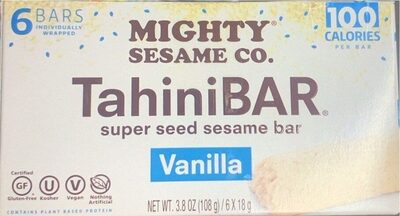
Foods that contain Surfactant
Compare products →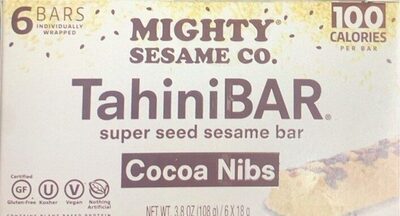
Learn more
Auto-generated content. This description was generated automatically and is pending editorial review. Inaccuracies are possible. Found a mistake? Contact us.