Sustainable Palm Shortening
What is Sustainable Palm Shortening?
Palm shortening is a semi-solid fat made from palm oil. It is processed to be solid at room temperature, giving it a stable texture. "Sustainable" indicates that the palm oil used was produced with environmental and social responsibility in mind, often certified by organizations like the Roundtable on Sustainable Palm Oil (RSPO).
Is Sustainable Palm Shortening vegan?
Sustainable Palm Shortening is not animal-derived. Products that contain it can still include other animal-derived ingredients, so check the full ingredient list.
Is Sustainable Palm Shortening a major allergen?
Not a major allergen.
What is Sustainable Palm Shortening used for?
Manufacturers use palm shortening in baked goods like cakes, cookies, and pastries to create a tender, flaky texture.
Is Sustainable Palm Shortening safe?
Palm shortening is a fat derived from palm oil, which is naturally high in saturated fat.
Why it's used
Manufacturers use palm shortening in baked goods like cakes, cookies, and pastries to create a tender, flaky texture. It also provides structure and stability to products, helping them maintain their shape. It is a common fat source in many processed foods.
Health notes
Palm shortening is a fat derived from palm oil, which is naturally high in saturated fat. The 2025-2030 Dietary Guidelines for Americans recommend keeping saturated fat intake to less than 10% of daily calories. Palm oil and its derivatives are generally recognized as safe (GRAS) by the FDA for their intended use as food ingredients. JECFA and EFSA have evaluated palm oil as a food commodity, not as a food additive requiring an acceptable daily intake.
Allergen info
Not a major allergen.
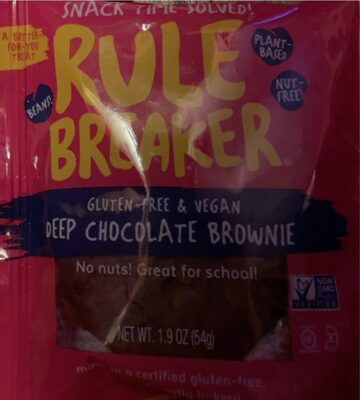
Foods that contain Sustainable Palm Shortening
Compare products →

Learn more
Auto-generated content. This description was generated automatically and is pending editorial review. Inaccuracies are possible. Found a mistake? Contact us.