Sweet Lupini Flour
What is Sweet Lupini Flour?
Sweet lupini flour is made from the seeds of the lupin plant, a legume. The seeds are typically cooked and processed to remove bitter compounds, then dried and ground into a fine flour.
Is Sweet Lupini Flour vegan?
Sweet Lupini Flour is not animal-derived. Products that contain it can still include other animal-derived ingredients, so check the full ingredient list.
Is Sweet Lupini Flour a major allergen?
Lupin is not one of the nine major allergens recognized by the FDA.
What is Sweet Lupini Flour used for?
Manufacturers use sweet lupini flour as a protein and fiber source, and as a gluten-free alternative to wheat flour in baked goods and pasta.
Is Sweet Lupini Flour safe?
Sweet lupini flour is generally recognized as safe (GRAS) by the FDA for use in food.
Why it's used
Manufacturers use sweet lupini flour as a protein and fiber source, and as a gluten-free alternative to wheat flour in baked goods and pasta. Its mild flavor and binding properties make it suitable for a variety of products.
Health notes
Sweet lupini flour is generally recognized as safe (GRAS) by the FDA for use in food. It is a good source of plant-based protein and fiber. Regulatory bodies like EFSA have evaluated lupins, and they are not associated with significant health concerns at typical consumption levels. As with any legume, some individuals may experience digestive discomfort.
Allergen info
Lupin is not one of the nine major allergens recognized by the FDA. It is a legume, and individuals with peanut allergies may have a higher risk of reacting to lupin.
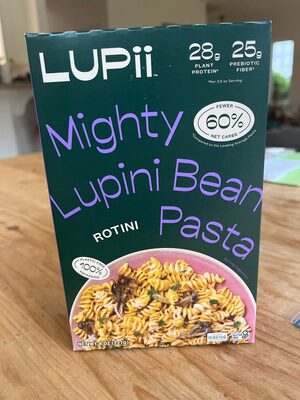
Foods that contain Sweet Lupini Flour
Compare products →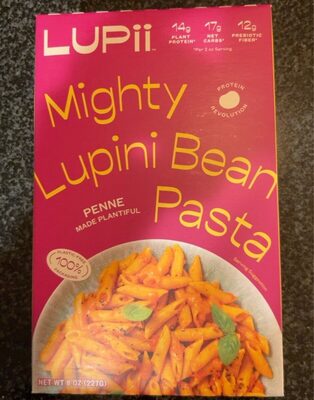
Learn more
Auto-generated content. This description was generated automatically and is pending editorial review. Inaccuracies are possible. Found a mistake? Contact us.