Synthetic Calcium Silicate
What is Synthetic Calcium Silicate?
Synthetic calcium silicate is a manufactured mineral compound made from calcium and silicon. It is produced by reacting calcium salts with silicate salts under controlled conditions. The resulting fine white powder is insoluble in water.
Is Synthetic Calcium Silicate vegan?
Synthetic Calcium Silicate is not animal-derived. Products that contain it can still include other animal-derived ingredients, so check the full ingredient list.
Is Synthetic Calcium Silicate a major allergen?
Not a major allergen.
What is Synthetic Calcium Silicate used for?
Manufacturers add synthetic calcium silicate as an anti-caking agent to prevent powdered foods from clumping.
Is Synthetic Calcium Silicate safe?
Synthetic calcium silicate is Generally Recognized As Safe (GRAS) by the FDA for use as an anti-caking agent.
Why it's used
Manufacturers add synthetic calcium silicate as an anti-caking agent to prevent powdered foods from clumping. It helps maintain a free-flowing texture in products like spice mixes, powdered sugar, and grated cheese. It can also be used as a processing aid in other food manufacturing applications.
Health notes
Synthetic calcium silicate is Generally Recognized As Safe (GRAS) by the FDA for use as an anti-caking agent. It is poorly absorbed by the body and passes through the digestive system. JECFA has evaluated it and set an acceptable daily intake. No significant health concerns are associated with its use at typical levels found in food.
Allergen info
Not a major allergen.
Foods that contain Synthetic Calcium Silicate
Compare products →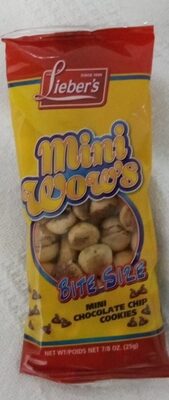 Lieber Chocolate & Food Products Co.
Mini Chocolate Chip Cookies
429kcal
7.1Protein
12.5Fat
71.4Carbs
Byerly Foods International
Fresh Dip Jalapeno Queso, Creamy & Spicy
High in sodium — 20% DV per serving
High in saturated fat — 20% DV per serving
183kcal
8.3Protein
13.3Fat
6.7Carbs
Byerly Foods International
Smoky & Spicy Fresh Dip Queso Con Carne, Smoky & Spicy
167kcal
10Protein
13.3Fat
6.7Carbs
Byerly Foods International
Spinach Potatoes Au Gratin
High in sodium — 27% DV per serving
112kcal
2.4Protein
5.3Fat
12.9Carbs
Lieber Chocolate & Food Products Co.
Mini Chocolate Chip Cookies
429kcal
7.1Protein
12.5Fat
71.4Carbs
Byerly Foods International
Fresh Dip Jalapeno Queso, Creamy & Spicy
High in sodium — 20% DV per serving
High in saturated fat — 20% DV per serving
183kcal
8.3Protein
13.3Fat
6.7Carbs
Byerly Foods International
Smoky & Spicy Fresh Dip Queso Con Carne, Smoky & Spicy
167kcal
10Protein
13.3Fat
6.7Carbs
Byerly Foods International
Spinach Potatoes Au Gratin
High in sodium — 27% DV per serving
112kcal
2.4Protein
5.3Fat
12.9Carbs
Auto-generated content. This description was generated automatically and is pending editorial review. Inaccuracies are possible. Found a mistake? Contact us.