Tamari Soy Sauce
What is Tamari Soy Sauce?
Tamari soy sauce is a traditional Japanese condiment that is a byproduct of miso paste production or made by fermenting soybeans with little to no wheat. This fermentation process gives it a darker color and a richer, less salty flavor compared to regular soy sauce.
Is Tamari Soy Sauce vegan?
Tamari Soy Sauce is not animal-derived. Products that contain it can still include other animal-derived ingredients, so check the full ingredient list.
Is Tamari Soy Sauce gluten-free?
While traditional tamari is often gluten-free, some varieties may contain small amounts of wheat or be processed in facilities that handle wheat.
Is Tamari Soy Sauce a major allergen?
Tamari soy sauce is made from soybeans, which are one of the nine major food allergens identified by the FDA.
What is Tamari Soy Sauce used for?
Manufacturers add tamari soy sauce primarily for its savory, umami flavor.
Is Tamari Soy Sauce safe?
Tamari soy sauce is generally recognized as safe (GRAS) by the FDA when used as a food ingredient.
Why it's used
Manufacturers add tamari soy sauce primarily for its savory, umami flavor. It is used in marinades, sauces, dressings, and as a seasoning in a wide range of packaged foods, especially in Asian-inspired dishes and gluten-free products.
Health notes
Tamari soy sauce is generally recognized as safe (GRAS) by the FDA when used as a food ingredient. Like all soy sauces, it contains sodium, and consuming too much sodium can contribute to high blood pressure. The FDA's Daily Value for sodium is 2,300 mg per day. JECFA and EFSA typically evaluate food additives, not whole food ingredients like tamari.
Allergen info
Tamari soy sauce is made from soybeans, which are one of the nine major food allergens identified by the FDA. While traditional tamari is often gluten-free, some varieties may contain small amounts of wheat or be processed in facilities that handle wheat.
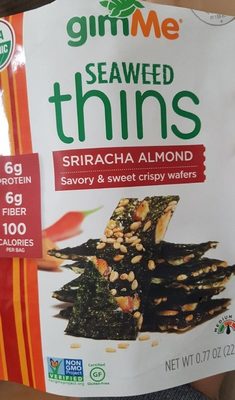
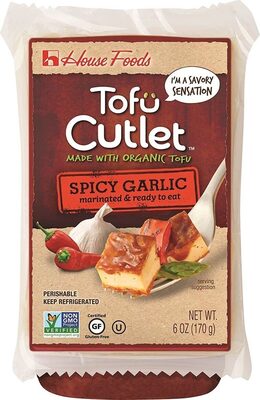
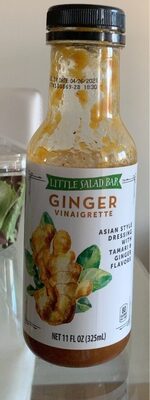
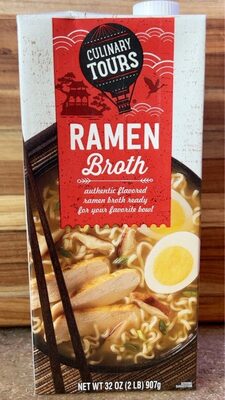
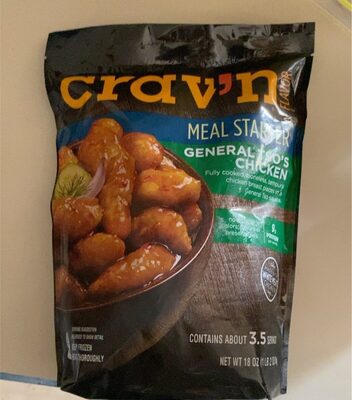
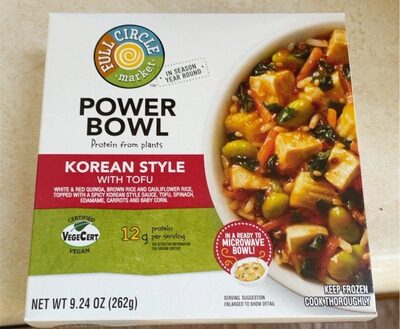
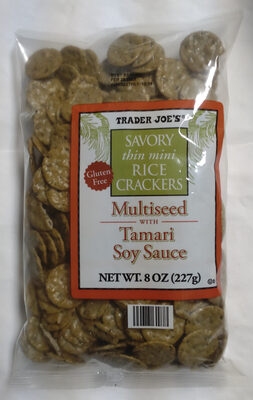
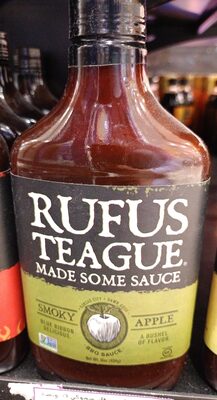
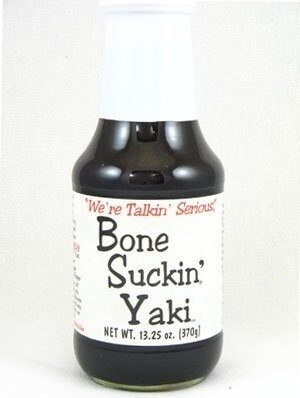
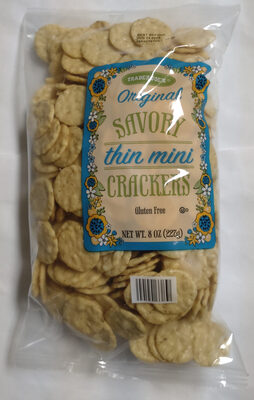
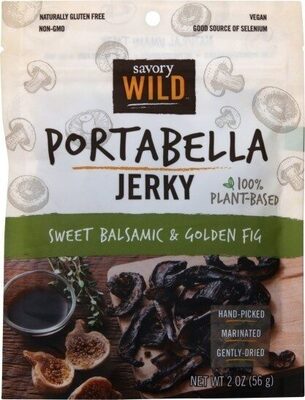
Foods that contain Tamari Soy Sauce
Compare products →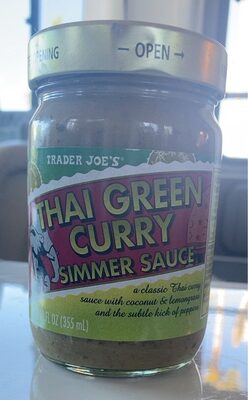
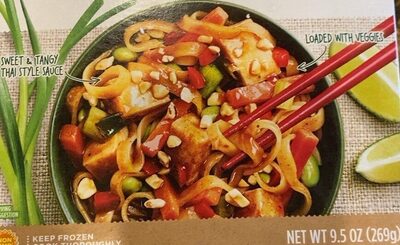
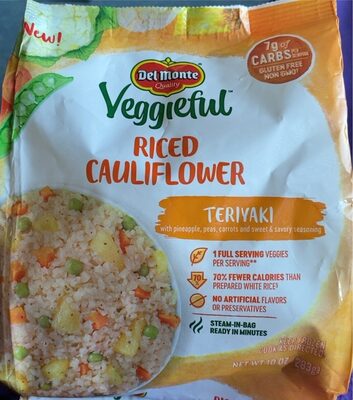
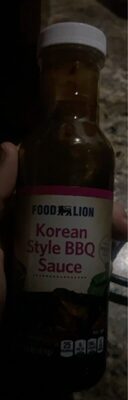
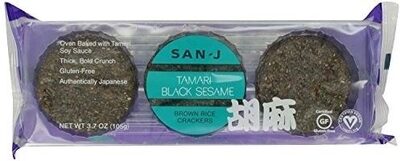
Learn more
Auto-generated content. This description was generated automatically and is pending editorial review. Inaccuracies are possible. Found a mistake? Contact us.