Tart Cherries
What is Tart Cherries?
Tart cherries are a variety of cherry known for their sour taste, distinct from sweet cherries. They are grown on trees and are often processed for use in food products. Common forms include dried, frozen, or as juice concentrate.
Is Tart Cherries vegan?
Tart Cherries is not animal-derived. Products that contain it can still include other animal-derived ingredients, so check the full ingredient list.
Is Tart Cherries gluten-free?
They do not contain gluten.
Is Tart Cherries a major allergen?
Tart cherries are not derived from any of the nine FDA major allergens.
What is Tart Cherries used for?
Tart cherries are used to add a distinct tart flavor and color to a variety of foods.
Is Tart Cherries safe?
Tart cherries are generally recognized as safe (GRAS) by the FDA for use as a food ingredient.
Why it's used
Tart cherries are used to add a distinct tart flavor and color to a variety of foods. They are frequently found in jams, jellies, baked goods like pies, and as a flavoring in yogurt and beverages. Their natural tartness can also balance sweetness in desserts.
Health notes
Tart cherries are generally recognized as safe (GRAS) by the FDA for use as a food ingredient. They contain anthocyanins, which are antioxidants. Some research suggests potential benefits for inflammation and sleep, but more studies are needed to confirm these effects. JECFA has evaluated tart cherry concentrate, and EFSA has evaluated anthocyanins, but they did not set specific numerical limits for general consumption.
Allergen info
Tart cherries are not derived from any of the nine FDA major allergens. They do not contain gluten.
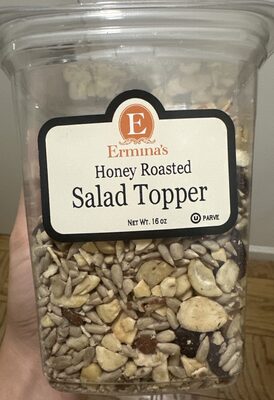
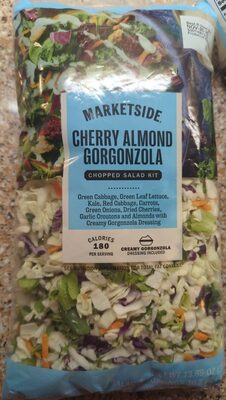
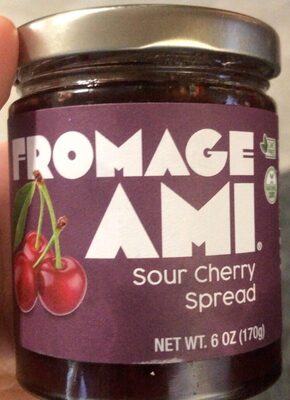
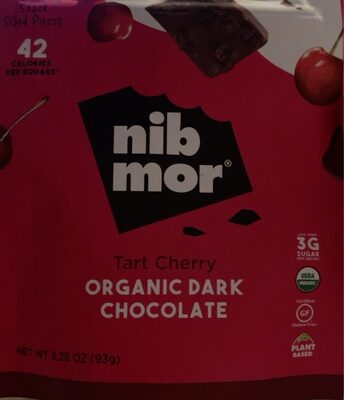
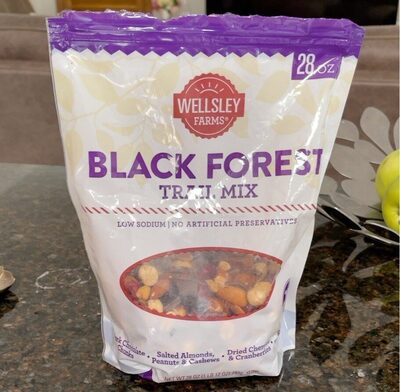
Foods that contain Tart Cherries
Compare products →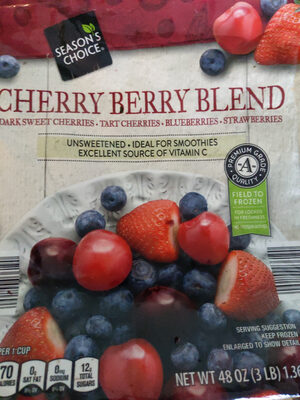
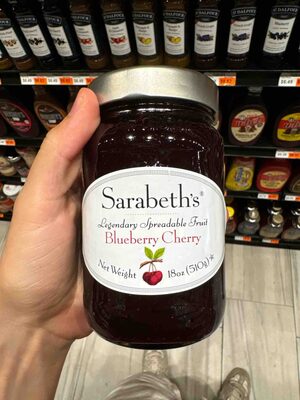
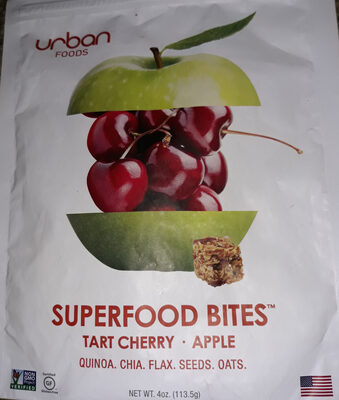

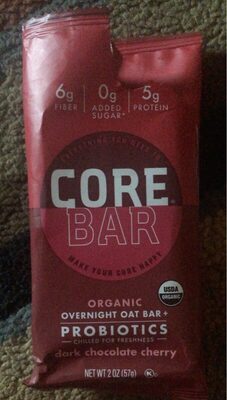


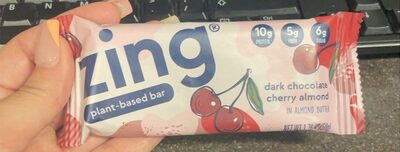

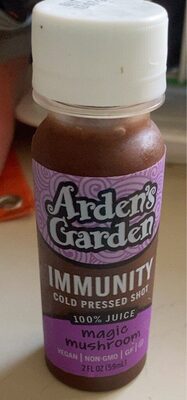

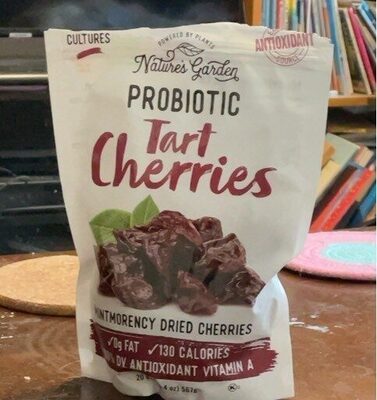
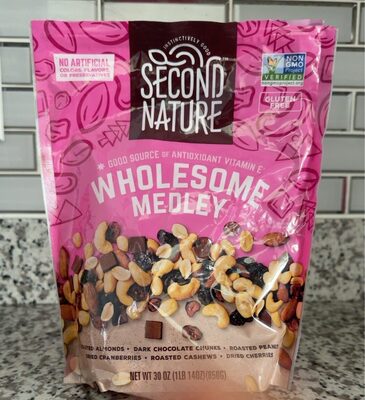


Auto-generated content. This description was generated automatically and is pending editorial review. Inaccuracies are possible. Found a mistake? Contact us.