Tasteless Smoke
What is Tasteless Smoke?
Tasteless Smoke is a liquid smoke flavoring that has been processed to remove its characteristic smoky aroma and flavor. It is typically made from wood smoke that has been condensed and filtered.
Is Tasteless Smoke gluten-free?
It does not contain gluten.
Is Tasteless Smoke a major allergen?
Tasteless Smoke is not derived from any of the nine FDA major allergens.
What is Tasteless Smoke used for?
Manufacturers add Tasteless Smoke to foods to provide the benefits of smoke treatment, such as preservation and color development, without imparting a smoky taste.
Is Tasteless Smoke safe?
Tasteless Smoke is generally recognized as safe (GRAS) by the FDA for use as a flavoring agent.
Why it's used
Manufacturers add Tasteless Smoke to foods to provide the benefits of smoke treatment, such as preservation and color development, without imparting a smoky taste. It is often used in processed meats, seafood, and poultry where a smoky appearance or preservation effect is desired.
Health notes
Tasteless Smoke is generally recognized as safe (GRAS) by the FDA for use as a flavoring agent. Regulatory bodies like JECFA have evaluated smoke flavorings, but specific evaluations of 'Tasteless Smoke' may vary. Evidence suggests that typical consumption levels of smoke-treated foods do not pose significant health risks.
Allergen info
Tasteless Smoke is not derived from any of the nine FDA major allergens. It does not contain gluten.
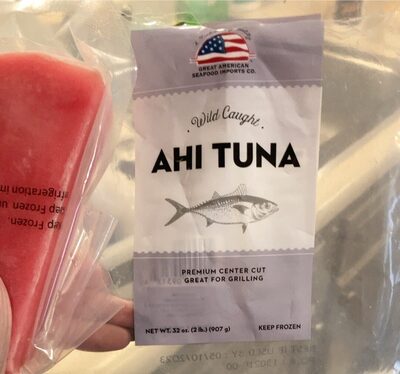
Foods that contain Tasteless Smoke
Compare products →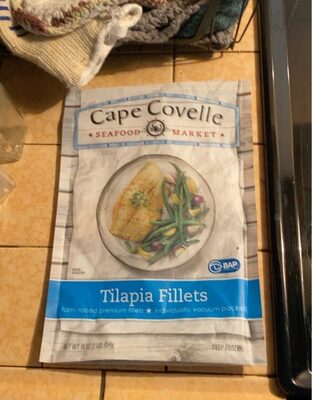
Learn more
Auto-generated content. This description was generated automatically and is pending editorial review. Inaccuracies are possible. Found a mistake? Contact us.