Tempura Flakes
Auto-generated content. This description was generated automatically and is pending editorial review. Inaccuracies are possible. Found a mistake? Contact us.
What it is
Tempura flakes, also known as tenkasu, are small pieces of deep-fried batter. They are made from a simple mixture of flour, water, and sometimes egg, which is then deep-fried until crispy.
Why it's used
Tempura flakes are primarily used as a crunchy topping or ingredient in Japanese cuisine, especially in noodle dishes like udon and soba, and in savory snacks. They add a distinct texture and a subtle fried flavor to foods.
Health notes
Tempura flakes are generally recognized as safe (GRAS) by the FDA when used as a food ingredient. They are primarily a source of carbohydrates and fat from the batter and frying oil. Regulatory bodies like JECFA and EFSA have not specifically evaluated tempura flakes as a distinct additive, as they are considered a component of a prepared food rather than a functional additive.
Allergen info
Tempura flakes are not a major allergen. However, if wheat flour is used in their preparation, they would contain gluten.
Products containing Tempura Flakes
Compare products →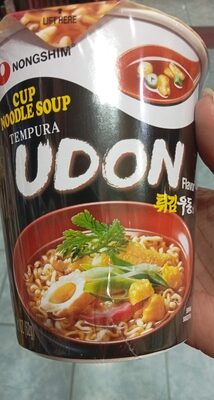 Nong Shim Co., Ltd.
Cup Noodle Soup, Tempura Udon
High in sodium — 55% DV per serving
High in saturated fat — 30% DV per serving
452kcal
6.5Protein
19.4Fat
62.9Carbs
Nong Shim Co., Ltd.
Udon Mushroom Noodle Soup
High in sodium — 70% DV per serving
165kcal
3.9Protein
1.1Fat
33.9Carbs
Nong Shim Co., Ltd.
Cup Noodle Soup, Tempura Udon
High in sodium — 55% DV per serving
High in saturated fat — 30% DV per serving
452kcal
6.5Protein
19.4Fat
62.9Carbs
Nong Shim Co., Ltd.
Udon Mushroom Noodle Soup
High in sodium — 70% DV per serving
165kcal
3.9Protein
1.1Fat
33.9Carbs
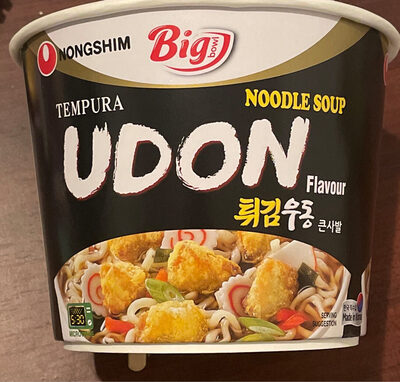 Nong Shim Co., Ltd.
Tempura Udon Flavor Noodle Soup Big Bowl, Tempura Udon
High in sodium — 58% DV per serving
High in saturated fat — 40% DV per serving
421kcal
7.0Protein
14.0Fat
67.5Carbs
Nong Shim Co., Ltd.
Tempura Udon Flavor Noodle Soup Big Bowl, Tempura Udon
High in sodium — 58% DV per serving
High in saturated fat — 40% DV per serving
421kcal
7.0Protein
14.0Fat
67.5Carbs
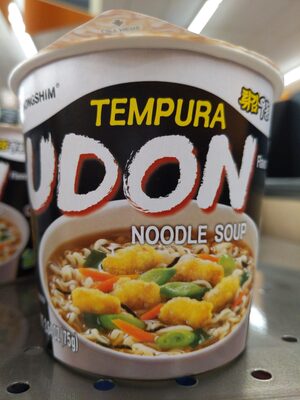 Nong Shim Co., Ltd.
Udon Flavor Tempura Noodle Soup, Udon
High in sodium — 50% DV per serving
High in saturated fat — 25% DV per serving
440kcal
6.7Protein
13.3Fat
72Carbs
Nong Shim Co., Ltd.
Udon Premium Noodle Soup, Udon
High in sodium — 40% DV per serving
152kcal
3.6Protein
0.4Fat
33.3Carbs
Nong Shim Co., Ltd.
Udon Flavor Tempura Noodle Soup, Udon
High in sodium — 50% DV per serving
High in saturated fat — 25% DV per serving
440kcal
6.7Protein
13.3Fat
72Carbs
Nong Shim Co., Ltd.
Udon Premium Noodle Soup, Udon
High in sodium — 40% DV per serving
152kcal
3.6Protein
0.4Fat
33.3Carbs