Teriyaki Sauce
What is Teriyaki Sauce?
Teriyaki sauce is a Japanese cooking sauce. It is traditionally made by broiling or grilling meat that has been coated in a mixture of soy sauce, mirin (a sweet rice wine), and sugar or honey.
Is Teriyaki Sauce gluten-free?
Gluten is present if wheat is used.
Is Teriyaki Sauce a major allergen?
Teriyaki sauce contains soy and is often made with wheat, both of which are major allergens.
What is Teriyaki Sauce used for?
Teriyaki sauce is used as a glaze or marinade for meats, poultry, and seafood, adding a sweet and savory flavor.
Is Teriyaki Sauce safe?
Teriyaki sauce is primarily a condiment and flavor enhancer, not typically subject to specific FDA regulations as an additive.
Why it's used
Teriyaki sauce is used as a glaze or marinade for meats, poultry, and seafood, adding a sweet and savory flavor. It is also used in stir-fries, as a dipping sauce for appetizers like potstickers, and in pre-packaged meals.
Health notes
Teriyaki sauce is primarily a condiment and flavor enhancer, not typically subject to specific FDA regulations as an additive. Its main components, soy sauce and sugar, are common food ingredients. High sodium content from soy sauce is a concern for some individuals, as recommended by dietary guidelines. JECFA has evaluated soy sauce and established an acceptable daily intake.
Allergen info
Teriyaki sauce contains soy and is often made with wheat, both of which are major allergens. It may also contain sesame, another major allergen, depending on the specific recipe. Gluten is present if wheat is used.
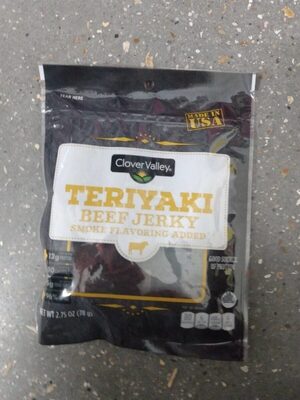
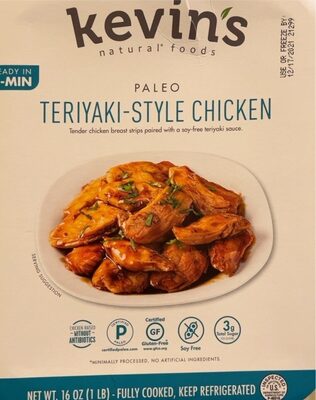
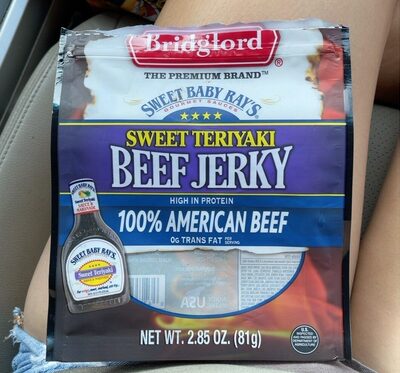
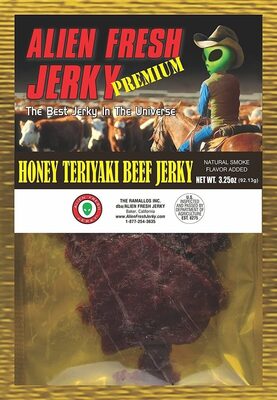
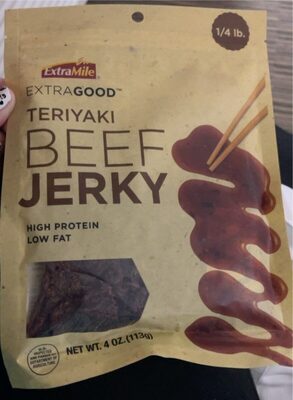
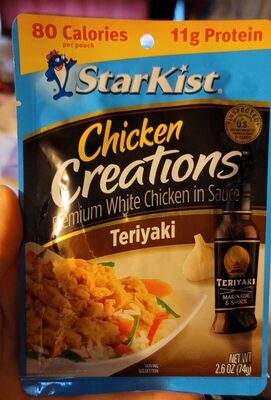
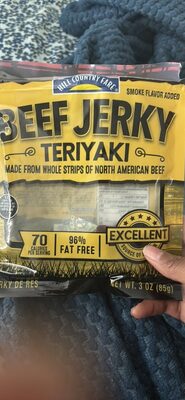
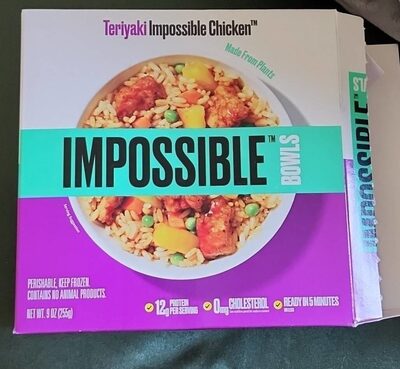
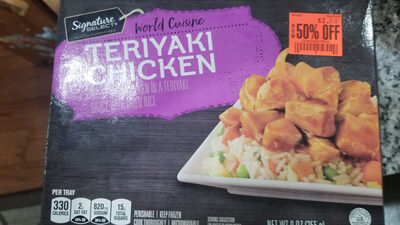
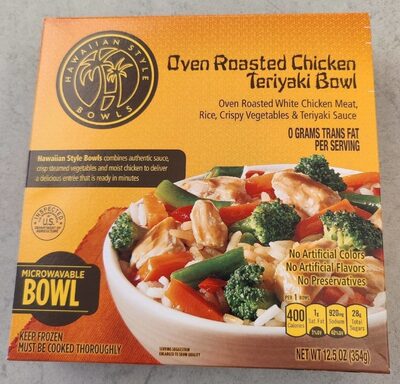
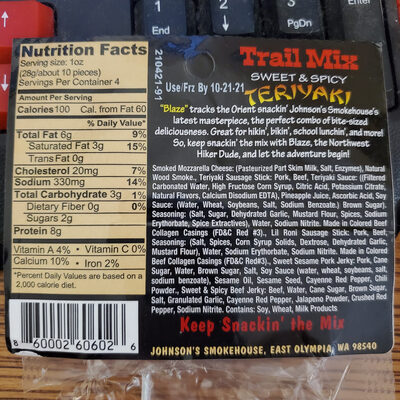
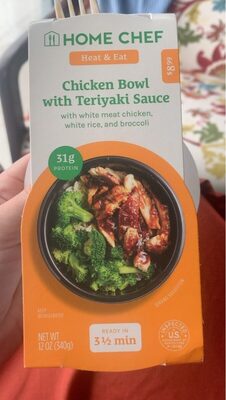
Foods that contain Teriyaki Sauce
Compare products →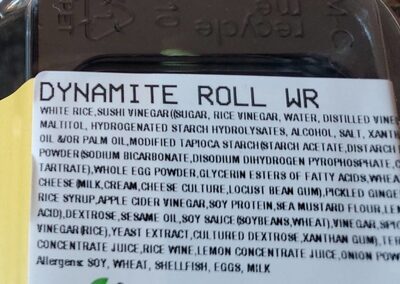

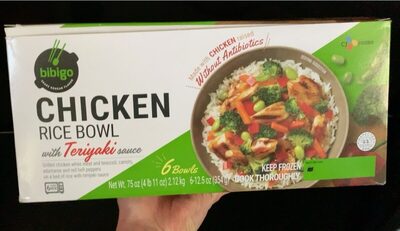
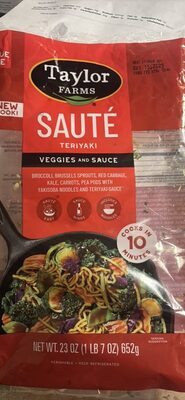
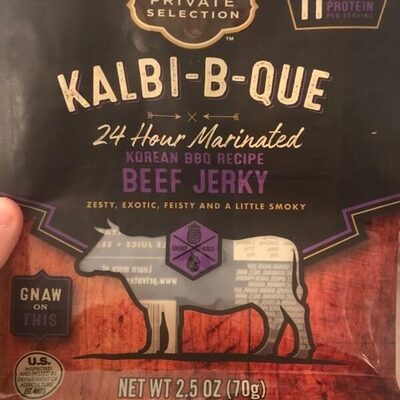

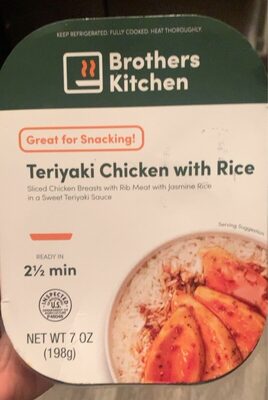
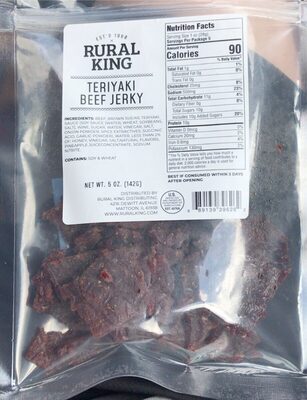
Learn more
Auto-generated content. This description was generated automatically and is pending editorial review. Inaccuracies are possible. Found a mistake? Contact us.