The Following: Semolina
This entry is a label phrase. See the main ingredient page: Semolina.
What is The Following: Semolina?
Semolina is a coarse flour made from durum wheat, a hard variety of wheat. It is typically yellow in color and has a slightly sweet taste. The durum wheat is milled into coarse granules, which gives semolina its characteristic texture.
Is The Following: Semolina vegan?
The Following: Semolina is not animal-derived. Products that contain it can still include other animal-derived ingredients, so check the full ingredient list.
Is The Following: Semolina gluten-free?
It also contains gluten.
Is The Following: Semolina a major allergen?
Semolina is derived from wheat, which is one of the 9 FDA major allergens.
What is The Following: Semolina used for?
Semolina is commonly used in pasta making because its high protein content helps pasta hold its shape during cooking.
Is The Following: Semolina safe?
Semolina is a source of carbohydrates, protein, and some B vitamins.
Why it's used
Semolina is commonly used in pasta making because its high protein content helps pasta hold its shape during cooking. It is also used to make couscous, a staple in North African cuisine, and in some baked goods like bread and cakes. Its texture can add a pleasant bite to dishes.
Health notes
Semolina is a source of carbohydrates, protein, and some B vitamins. The FDA considers semolina to be Generally Recognized As Safe (GRAS) for use in food. It is a common ingredient in many diets and is not associated with adverse health effects when consumed in typical amounts as part of a balanced diet. Regulatory bodies like JECFA and EFSA have evaluated semolina and its components.
Allergen info
Semolina is derived from wheat, which is one of the 9 FDA major allergens. It also contains gluten.
Foods that contain The Following: Semolina
Compare products →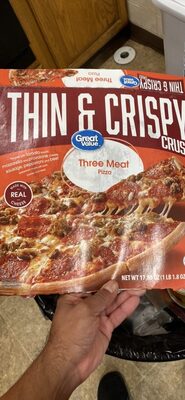
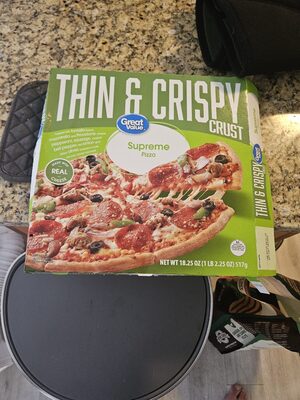
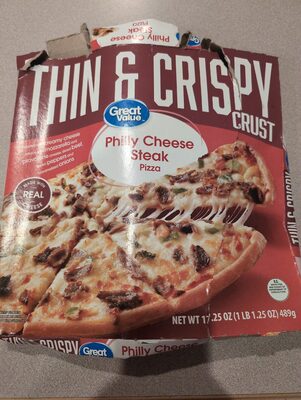
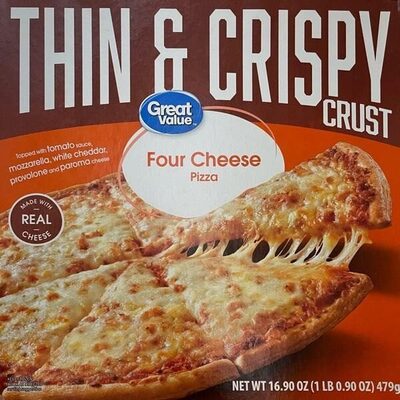
Learn more
Auto-generated content. This description was generated automatically and is pending editorial review. Inaccuracies are possible. Found a mistake? Contact us.