The Following: White Vinegar
Auto-generated content. This description was generated automatically and is pending editorial review. Inaccuracies are possible. Found a mistake? Contact us.
What it is
White vinegar is a common type of vinegar made from grain alcohol (like corn or wheat) that has been fermented twice. First, sugars are turned into alcohol, and then the alcohol is turned into acetic acid. This process gives vinegar its characteristic sour taste and pungent smell.
Why it's used
Manufacturers use white vinegar primarily as a flavoring agent and preservative. Its sharp, acidic taste is ideal for salad dressings, marinades, and pickling. It can also help tenderize meats and is sometimes used in baked goods for leavening.
Health notes
White vinegar is generally recognized as safe (GRAS) by the FDA for use in food. The FDA has not set specific upper intake limits for vinegar. International bodies like JECFA have evaluated vinegar and its components. At typical dietary levels, it is not associated with adverse health effects. Some research suggests potential benefits for blood sugar control, but more studies are needed.
Allergen info
White vinegar is not a major allergen. While it can be made from wheat or corn, the refining process typically removes allergenic proteins like gluten.
Products containing The Following: White Vinegar
Compare products →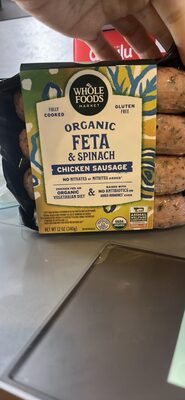 Whole Foods Market, Inc.
Feta & Spinach Chicken Organic Sausage, Feta & Spinach Chicken
High in sodium — 28% DV per serving
High in cholesterol — 22% DV per serving
165kcal
16.5Protein
9.4Fat
2.4Carbs
Whole Foods Market, Inc.
Feta & Spinach Chicken Organic Sausage, Feta & Spinach Chicken
High in sodium — 28% DV per serving
High in cholesterol — 22% DV per serving
165kcal
16.5Protein
9.4Fat
2.4Carbs
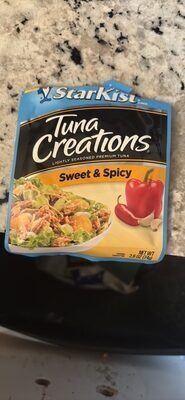 StarKist Co.
Sweet & Spicy Lightly Seasoned Premium Tuna
122kcal
21.6Protein
0.7Fat
5.4Carbs
Double Peak, Inc.
Garlic Chili Pepper Gourmet Beef Cuts, Garlic Chili Pepper
286kcal
32.1Protein
3.6Fat
32.1Carbs
StarKist Co.
Sweet & Spicy Lightly Seasoned Premium Tuna
122kcal
21.6Protein
0.7Fat
5.4Carbs
Double Peak, Inc.
Garlic Chili Pepper Gourmet Beef Cuts, Garlic Chili Pepper
286kcal
32.1Protein
3.6Fat
32.1Carbs
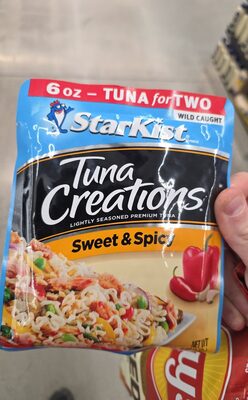 StarKist Co.
Sweet & Spicy Tuna Creations, Sweet & Spicy
118kcal
21.2Protein
0.6Fat
5.9Carbs
StarKist Co.
Sweet & Spicy Tuna Creations, Sweet & Spicy
118kcal
21.2Protein
0.6Fat
5.9Carbs