Thiamin Mononirate
What is Thiamin Mononirate?
Thiamin mononitrate is a synthetic form of thiamin, also known as vitamin B1. It is produced through chemical synthesis and is often used to fortify foods. Thiamin is essential for carbohydrate metabolism and nerve function.
Is Thiamin Mononirate vegan?
Thiamin Mononirate is not animal-derived. Products that contain it can still include other animal-derived ingredients, so check the full ingredient list.
Is Thiamin Mononirate gluten-free?
It is not derived from any of the nine FDA major allergens and does not contain gluten.
Is Thiamin Mononirate a major allergen?
Not a major allergen.
What is Thiamin Mononirate used for?
Manufacturers add thiamin mononitrate to foods as a nutrient supplement, primarily to fortify cereals, bread, and other grain products.
Is Thiamin Mononirate safe?
Thiamin mononitrate is generally recognized as safe (GRAS) by the FDA for use as a nutrient supplement.
Why it's used
Manufacturers add thiamin mononitrate to foods as a nutrient supplement, primarily to fortify cereals, bread, and other grain products. It helps ensure consumers get adequate amounts of this essential vitamin, which can be lost during food processing. It is commonly found in baked goods, breakfast cereals, and pasta.
Health notes
Thiamin mononitrate is generally recognized as safe (GRAS) by the FDA for use as a nutrient supplement. It is an essential vitamin, and adequate intake is important for overall health. JECFA and EFSA have evaluated thiamin and its derivatives, establishing acceptable daily intakes. No significant controversies are associated with typical intake levels of thiamin mononitrate.
Allergen info
Not a major allergen. It is not derived from any of the nine FDA major allergens and does not contain gluten.
Foods that contain Thiamin Mononirate
Compare products →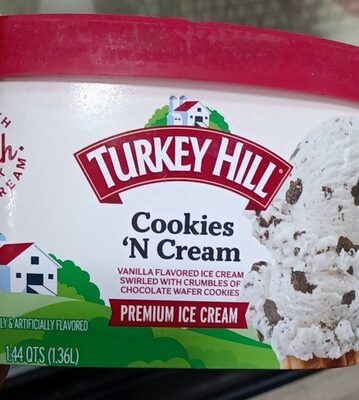 Turkey Hill Dairy Inc.
Cookies 'N Cream Premium Ice Cream, Cookies 'N Cream
High in saturated fat — 30% DV per serving
High in added sugars — 26% DV per serving
218kcal
3.5Protein
11.5Fat
28.7Carbs
McIlhenny Company
Spartan, Cinnamon Rolls With Icing
341kcal
4.5Protein
11.4Fat
52.3Carbs
Wakefern Food Corporation
Shoprite, Sandwich Cookies, Vanilla Chocolate, Vanilla Chocolate
441kcal
2.9Protein
17.6Fat
70.6Carbs
Turkey Hill Dairy Inc.
Cookies 'N Cream Premium Ice Cream, Cookies 'N Cream
High in saturated fat — 30% DV per serving
High in added sugars — 26% DV per serving
218kcal
3.5Protein
11.5Fat
28.7Carbs
McIlhenny Company
Spartan, Cinnamon Rolls With Icing
341kcal
4.5Protein
11.4Fat
52.3Carbs
Wakefern Food Corporation
Shoprite, Sandwich Cookies, Vanilla Chocolate, Vanilla Chocolate
441kcal
2.9Protein
17.6Fat
70.6Carbs
Learn more
Auto-generated content. This description was generated automatically and is pending editorial review. Inaccuracies are possible. Found a mistake? Contact us.