Thiamine Mononitrate-bi
What is Thiamine Mononitrate-bi?
Thiamine mononitrate is a synthetic form of thiamine, also known as vitamin B1. Thiamine is an essential nutrient that plays a key role in energy metabolism and nerve function. It is produced industrially through chemical synthesis.
Is Thiamine Mononitrate-bi vegan?
Thiamine Mononitrate-bi is not animal-derived. Products that contain it can still include other animal-derived ingredients, so check the full ingredient list.
Is Thiamine Mononitrate-bi gluten-free?
It does not contain gluten.
Is Thiamine Mononitrate-bi a major allergen?
Not a major allergen.
What is Thiamine Mononitrate-bi used for?
Manufacturers add thiamine mononitrate to foods as a nutrient supplement, often to fortify products like cereals, bread, and pasta.
Is Thiamine Mononitrate-bi safe?
Thiamine mononitrate is generally recognized as safe (GRAS) by the FDA when used as a nutrient.
Why it's used
Manufacturers add thiamine mononitrate to foods as a nutrient supplement, often to fortify products like cereals, bread, and pasta. It helps ensure consumers get adequate amounts of this essential vitamin, especially in processed foods where natural thiamine content might be reduced.
Health notes
Thiamine mononitrate is generally recognized as safe (GRAS) by the FDA when used as a nutrient. It is an essential vitamin for human health, and deficiencies can lead to health problems. Regulatory bodies like JECFA and EFSA have evaluated thiamine and its derivatives, recognizing its importance as a nutrient. Typical intakes from fortified foods are well within safe levels and do not pose health risks.
Allergen info
Not a major allergen. It does not contain gluten.
Foods that contain Thiamine Mononitrate-bi
Compare products →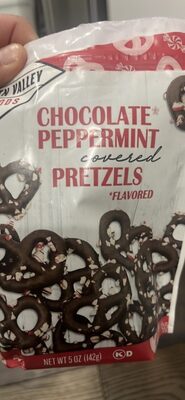 Tropical Foods Inc.
Peppermint Chocolate Covered Pretzels, Peppermint
High in saturated fat — 20% DV per serving
High in added sugars — 20% DV per serving
467kcal
6.7Protein
16.7Fat
73.3Carbs
Tropical Foods Inc.
Hayden Valley Foods, Raspberry Yogurt Pretzels, Raspberry, Raspberry
High in saturated fat — 35% DV per serving
475kcal
5Protein
17.5Fat
72.5Carbs
Tropical Foods Inc.
Peanut Butter Flavored Covered Pretzels, Peanut Butter
High in saturated fat — 22% DV per serving
533kcal
10Protein
23.3Fat
66.7Carbs
Tropical Foods Inc.
Pumpkin Spice Yogurt Pretzels, Pumpkin Spice
High in saturated fat — 22% DV per serving
High in added sugars — 24% DV per serving
467kcal
3.3Protein
20Fat
73.3Carbs
Tropical Foods Inc.
Peppermint Chocolate Covered Pretzels, Peppermint
High in saturated fat — 20% DV per serving
High in added sugars — 20% DV per serving
467kcal
6.7Protein
16.7Fat
73.3Carbs
Tropical Foods Inc.
Hayden Valley Foods, Raspberry Yogurt Pretzels, Raspberry, Raspberry
High in saturated fat — 35% DV per serving
475kcal
5Protein
17.5Fat
72.5Carbs
Tropical Foods Inc.
Peanut Butter Flavored Covered Pretzels, Peanut Butter
High in saturated fat — 22% DV per serving
533kcal
10Protein
23.3Fat
66.7Carbs
Tropical Foods Inc.
Pumpkin Spice Yogurt Pretzels, Pumpkin Spice
High in saturated fat — 22% DV per serving
High in added sugars — 24% DV per serving
467kcal
3.3Protein
20Fat
73.3Carbs
Learn more
Auto-generated content. This description was generated automatically and is pending editorial review. Inaccuracies are possible. Found a mistake? Contact us.