Thickener: Gum Arabic
What is Thickener: Gum Arabic?
Gum arabic, also known as acacia gum, is a natural gum made from the hardened sap of the acacia tree. It is harvested from wild trees in the Sahel region of Africa. The sap is collected, dried, and then ground into a powder.
Is Thickener: Gum Arabic vegan?
Thickener: Gum Arabic is not animal-derived. Products that contain it can still include other animal-derived ingredients, so check the full ingredient list.
Is Thickener: Gum Arabic gluten-free?
It is not derived from any of the nine major allergens and does not contain gluten.
Is Thickener: Gum Arabic a major allergen?
Not a major allergen.
What is Thickener: Gum Arabic used for?
Manufacturers use gum arabic as a thickener, emulsifier, and stabilizer in foods.
Is Thickener: Gum Arabic safe?
Gum arabic is generally recognized by the FDA as safe (GRAS) for use in food.
Why it's used
Manufacturers use gum arabic as a thickener, emulsifier, and stabilizer in foods. It helps to bind ingredients together, improve texture, and prevent separation. It is commonly found in chewing gum, candies, baked goods, and beverages.
Health notes
Gum arabic is generally recognized by the FDA as safe (GRAS) for use in food. It is a source of soluble dietary fiber, which may have benefits for gut health. JECFA and EFSA have evaluated gum arabic, and it is permitted for use in many countries. There are no widespread controversies regarding its safety at typical consumption levels.
Allergen info
Not a major allergen. It is not derived from any of the nine major allergens and does not contain gluten.
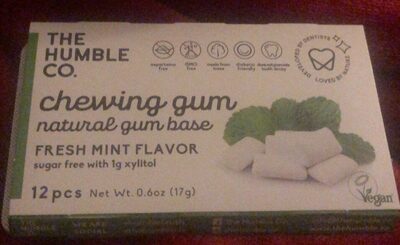
Foods that contain Thickener: Gum Arabic
Compare products →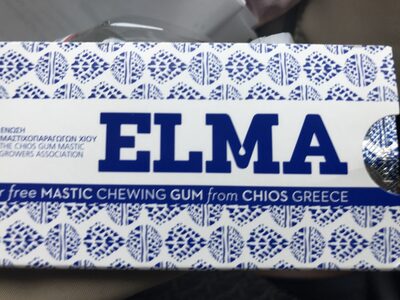
Learn more
Auto-generated content. This description was generated automatically and is pending editorial review. Inaccuracies are possible. Found a mistake? Contact us.