Topping: Breadcrumbs
What is Topping: Breadcrumbs?
Breadcrumbs are small pieces of dried bread, often toasted. They are made by grinding or crumbling dried bread, and can be seasoned or unseasoned. They are commonly used as a coating or topping for various dishes.
Is Topping: Breadcrumbs vegan?
Topping: Breadcrumbs is not animal-derived. Products that contain it can still include other animal-derived ingredients, so check the full ingredient list.
Is Topping: Breadcrumbs gluten-free?
They also contain gluten.
Is Topping: Breadcrumbs a major allergen?
Breadcrumbs are typically made from wheat, which is one of the 9 major allergens.
What is Topping: Breadcrumbs used for?
Manufacturers add breadcrumbs to provide texture, act as a binder, or create a crispy coating for foods like fried or baked meats, fish, and vegetables.
Is Topping: Breadcrumbs safe?
Breadcrumbs are a common food ingredient and are generally recognized as safe by the FDA.
Why it's used
Manufacturers add breadcrumbs to provide texture, act as a binder, or create a crispy coating for foods like fried or baked meats, fish, and vegetables. They are frequently found in frozen dinners, deli items, and baked goods.
Health notes
Breadcrumbs are a common food ingredient and are generally recognized as safe by the FDA. When made from unenriched white bread, they offer limited nutritional value. Whole wheat breadcrumbs provide more fiber and nutrients. The FDA has not set specific upper intake limits for breadcrumbs as a food ingredient.
Allergen info
Breadcrumbs are typically made from wheat, which is one of the 9 major allergens. They also contain gluten. Not suitable for individuals with celiac disease or wheat allergies.
Foods that contain Topping: Breadcrumbs
Compare products →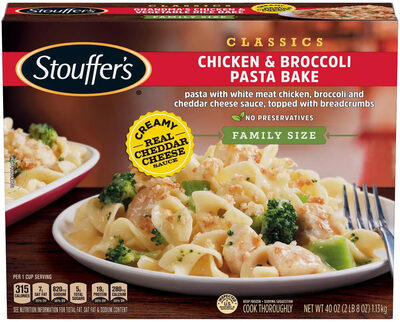 Nestle Usa-Frozen Food Division
Chicken & Broccoli Pasta Bake Pasta With White Meat Chicken, Broccoli And Cheddar Cheese Sauce, Topped With Breadcrumbs, Chicken & Broccoli Pasta Bake
High in sodium — 36% DV per serving
High in saturated fat — 35% DV per serving
High in cholesterol — 20% DV per serving
133kcal
8.1Protein
6.4Fat
11.0Carbs
Nestle Usa-Frozen Food Division
Chicken & Broccoli Pasta Bake Pasta With White Meat Chicken, Broccoli And Cheddar Cheese Sauce, Topped With Breadcrumbs, Chicken & Broccoli Pasta Bake
High in sodium — 36% DV per serving
High in saturated fat — 35% DV per serving
High in cholesterol — 20% DV per serving
133kcal
8.1Protein
6.4Fat
11.0Carbs
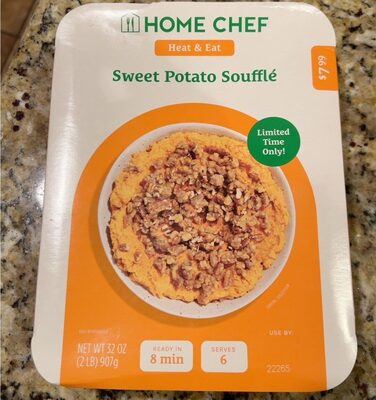 Relish Labs LLC
Sweet Potato Souffle, Sweet Potato
High in saturated fat — 20% DV per serving
179kcal
2.1Protein
5Fat
30.7Carbs
Relish Labs LLC
Sweet Potato Souffle, Sweet Potato
High in saturated fat — 20% DV per serving
179kcal
2.1Protein
5Fat
30.7Carbs
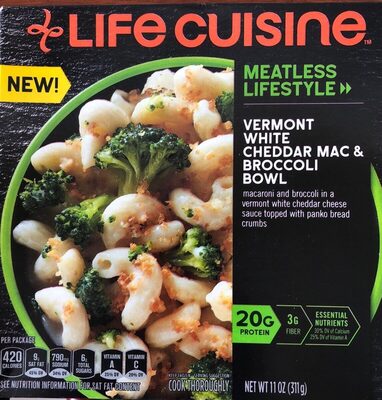 Nestle Usa-Frozen Food Division
Vermont White Cheddar Mac & Broccoli Bowl
High in sodium — 34% DV per serving
High in saturated fat — 45% DV per serving
135kcal
6.4Protein
4.8Fat
16.1Carbs
Nestle Usa-Frozen Food Division
Grandma's Chicken & Vegetable Rice Bake Rice, White Meat Chicken And Vegetables In A Cheddar Cheese Sauce, Grandma's Chicken & Vegetable Rice Bake
High in sodium — 32% DV per serving
High in saturated fat — 25% DV per serving
140kcal
7.2Protein
5.9Fat
14.4Carbs
Nestle Usa-Frozen Food Division
Vermont White Cheddar Mac & Broccoli Bowl
High in sodium — 34% DV per serving
High in saturated fat — 45% DV per serving
135kcal
6.4Protein
4.8Fat
16.1Carbs
Nestle Usa-Frozen Food Division
Grandma's Chicken & Vegetable Rice Bake Rice, White Meat Chicken And Vegetables In A Cheddar Cheese Sauce, Grandma's Chicken & Vegetable Rice Bake
High in sodium — 32% DV per serving
High in saturated fat — 25% DV per serving
140kcal
7.2Protein
5.9Fat
14.4Carbs
Learn more
Auto-generated content. This description was generated automatically and is pending editorial review. Inaccuracies are possible. Found a mistake? Contact us.