Tortilla: Wheat Enriched Flour
Auto-generated content. This description was generated automatically and is pending editorial review. Inaccuracies are possible. Found a mistake? Contact us.
What it is
Enriched flour is made from wheat flour that has had certain nutrients added back after processing. These nutrients typically include iron and several B vitamins (thiamin, riboflavin, niacin, folic acid). The enrichment process helps to restore nutrients lost during the milling of the wheat.
Why it's used
Enriched flour is a common ingredient in baked goods and processed foods, providing structure and texture. Manufacturers use it in products like bread, pasta, cereals, and tortillas because it is widely available and contributes to the desired consistency and appearance of the final product.
Health notes
Enriched flour is generally recognized as safe (GRAS) by the FDA for use in food. The added nutrients, particularly folic acid, are important for public health. JECFA and EFSA have evaluated flour enrichment, and it is a common practice globally. Consuming foods made with enriched flour contributes to the intake of essential B vitamins and iron.
Allergen info
Wheat is one of the 9 FDA major allergens. Enriched flour is derived from wheat and therefore contains gluten.
Products containing Tortilla: Wheat Enriched Flour
Compare products →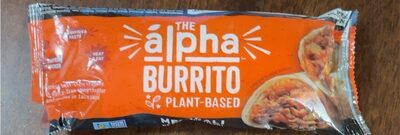 The Miso Brothers, Inc.
Burrito, Mexicali
High in saturated fat — 125% DV per serving
225kcal
7.8Protein
7.0Fat
31.7Carbs
The Miso Brothers, Inc.
Burrito, Mexicali
High in saturated fat — 125% DV per serving
225kcal
7.8Protein
7.0Fat
31.7Carbs
 The Miso Brothers, Inc.
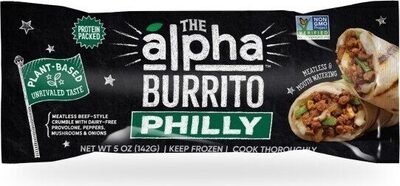
Burrito Philly Sandwich
High in sodium — 20% DV per serving
High in saturated fat — 23% DV per serving
211kcal
7.8Protein
6.3Fat
28.2Carbs
The Miso Brothers, Inc.
Burrito Philly Sandwich
High in sodium — 20% DV per serving
High in saturated fat — 23% DV per serving
211kcal
7.8Protein
6.3Fat
28.2Carbs
 The Miso Brothers, Inc.
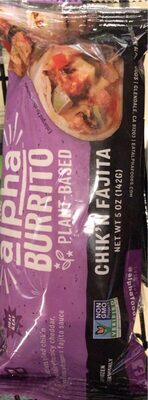
Burrito Chick'N Fajita, Chick'N Fajita
High in sodium — 30% DV per serving
High in saturated fat — 20% DV per serving
218kcal
7.8Protein
6.3Fat
31.0Carbs
The Miso Brothers, Inc.
Burrito Chick'N Fajita, Chick'N Fajita
High in sodium — 30% DV per serving
High in saturated fat — 20% DV per serving
218kcal
7.8Protein
6.3Fat
31.0Carbs
 The Miso Brothers, Inc.
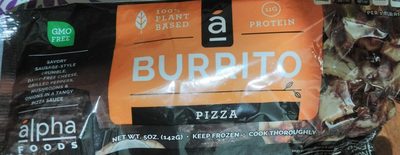
Burrito, Pizza
High in sodium — 23% DV per serving
High in saturated fat — 25% DV per serving
218kcal
7.8Protein
7.0Fat
31.7Carbs
The Miso Brothers, Inc.
Burrito, Pizza
High in sodium — 23% DV per serving
High in saturated fat — 25% DV per serving
218kcal
7.8Protein
7.0Fat
31.7Carbs