Traditional Seitan
What is Traditional Seitan?
Seitan is a meat substitute made from vital wheat gluten, the main protein in wheat. It is made by washing away the starch from wheat flour, leaving a chewy, elastic dough. This dough is then cooked, often by simmering in broth or soy sauce, to create a firm texture similar to meat.
Is Traditional Seitan vegan?
Traditional Seitan is not animal-derived. Products that contain it can still include other animal-derived ingredients, so check the full ingredient list.
Is Traditional Seitan gluten-free?
It contains gluten, a protein found in wheat that can cause adverse reactions in individuals with celiac disease or gluten sensitivity.
Is Traditional Seitan a major allergen?
Seitan is derived from wheat, which is one of the nine major allergens.
What is Traditional Seitan used for?
Manufacturers use seitan as a protein-rich meat alternative in vegetarian and vegan dishes.
Is Traditional Seitan safe?
Seitan is a good source of protein and iron.
Why it's used
Manufacturers use seitan as a protein-rich meat alternative in vegetarian and vegan dishes. Its chewy texture and ability to absorb flavors make it suitable for a wide range of foods, including frozen meals, meatless "sausages" and "burgers," and as a filling in dishes like burritos and stir-fries.
Health notes
Seitan is a good source of protein and iron. As it is derived from wheat, it is not suitable for individuals with celiac disease or gluten sensitivity. The FDA does not specifically regulate seitan as a food additive, but its primary component, wheat gluten, is generally recognized as safe (GRAS) for consumption. No specific health concerns are associated with moderate consumption of seitan for those without gluten intolerance.
Allergen info
Seitan is derived from wheat, which is one of the nine major allergens. It contains gluten, a protein found in wheat that can cause adverse reactions in individuals with celiac disease or gluten sensitivity.
Foods that contain Traditional Seitan
Compare products →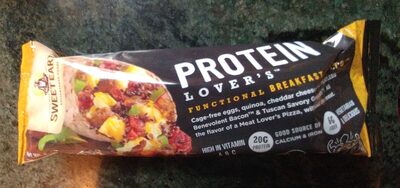 Sweet Earth Natural Foods
Protein Lover's Cage-Free Egg, Sharp Cheddar And Quinoa Burrito Breakfast, Protein Lover's
High in sodium — 25% DV per serving
High in saturated fat — 30% DV per serving
High in cholesterol — 30% DV per serving
218kcal
12.8Protein
10.3Fat
19.2Carbs
Sweet Earth Natural Foods
Protein Lover's Cage-Free Egg, Sharp Cheddar And Quinoa Burrito Breakfast, Protein Lover's
High in sodium — 25% DV per serving
High in saturated fat — 30% DV per serving
High in cholesterol — 30% DV per serving
218kcal
12.8Protein
10.3Fat
19.2Carbs
 Sweet Earth Natural Foods
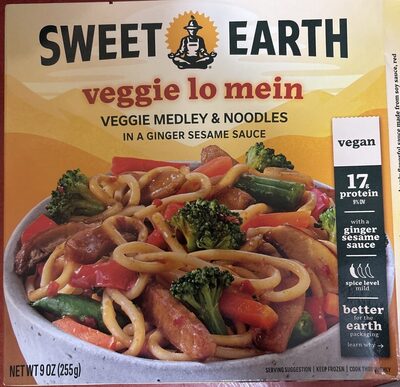
Veggie Lo Mein Veggie Medley & Noodles In A Ginger Sesame Sauce, Veggie Lo Mein
High in sodium — 26% DV per serving
141kcal
6.7Protein
5.9Fat
15.7Carbs
Sweet Earth Natural Foods
Veggie Lo Mein Veggie Medley & Noodles In A Ginger Sesame Sauce, Veggie Lo Mein
High in sodium — 26% DV per serving
141kcal
6.7Protein
5.9Fat
15.7Carbs
 Société des Produits Nestlé S.A.
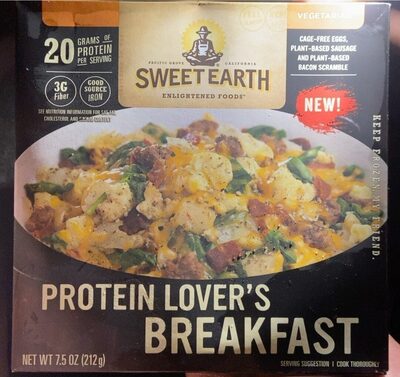
DISCO SWEET EARTH Frozen Meal Protein Lovers Breakfast Bowl 7.5oz
High in saturated fat — 30% DV per serving
High in cholesterol — 45% DV per serving
132kcal
10.4Protein
5.7Fat
10.4Carbs
Société des Produits Nestlé S.A.
DISCO SWEET EARTH Frozen Meal Protein Lovers Breakfast Bowl 7.5oz
High in saturated fat — 30% DV per serving
High in cholesterol — 45% DV per serving
132kcal
10.4Protein
5.7Fat
10.4Carbs
Learn more
Auto-generated content. This description was generated automatically and is pending editorial review. Inaccuracies are possible. Found a mistake? Contact us.