Tuna And Carbon Monoxide Or Tasteless Smoke
What is Tuna And Carbon Monoxide Or Tasteless Smoke?
Carbon monoxide is a gas used to treat fresh fish, including tuna, to help preserve its red color. This process is sometimes referred to as 'tasteless smoke'. It is applied during the packaging of the fish.
Is Tuna And Carbon Monoxide Or Tasteless Smoke vegan?
No. Tuna And Carbon Monoxide Or Tasteless Smoke is animal-derived, so it is not vegan.
Is Tuna And Carbon Monoxide Or Tasteless Smoke a major allergen?
Tuna is a fish, which is one of the 9 major allergens recognized by the FDA.
What is Tuna And Carbon Monoxide Or Tasteless Smoke used for?
Manufacturers use carbon monoxide to maintain the bright red appearance of fresh fish, making it look fresher to consumers.
Is Tuna And Carbon Monoxide Or Tasteless Smoke safe?
The U.S. Food and Drug Administration (FDA) has reviewed the use of carbon monoxide in treating fish and has not raised objections.
Why it's used
Manufacturers use carbon monoxide to maintain the bright red appearance of fresh fish, making it look fresher to consumers. This is particularly common for tuna and other fish sold in retail settings.
Health notes
The U.S. Food and Drug Administration (FDA) has reviewed the use of carbon monoxide in treating fish and has not raised objections. International bodies like the Joint FAO/WHO Expert Committee on Food Additives (JECFA) have also evaluated its safety. At the levels used in food, it is not expected to pose a health risk.
Allergen info
Tuna is a fish, which is one of the 9 major allergens recognized by the FDA. Carbon monoxide itself is not an allergen.
Foods that contain Tuna And Carbon Monoxide Or Tasteless Smoke
Compare products →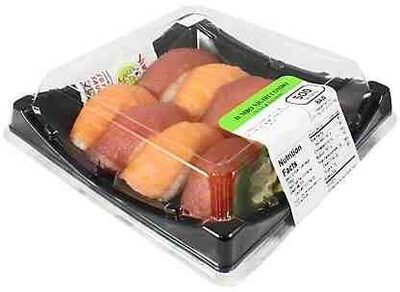
Auto-generated content. This description was generated automatically and is pending editorial review. Inaccuracies are possible. Found a mistake? Contact us.