Tuna
Auto-generated content. This description was generated automatically and is pending editorial review. Inaccuracies are possible. Found a mistake? Contact us.
What it is
Tuna is a saltwater fish found in oceans worldwide. It is a popular source of protein, often sold fresh, frozen, or canned. Canned tuna is typically cooked and packed in water, oil, or brine.
Why it's used
Tuna is primarily used as a protein source in foods like salads, sandwiches, and casseroles. Its distinct flavor also makes it a key ingredient in dishes such as tuna melts and tuna salad. It is also used in pet food.
Health notes
Tuna is a good source of protein, omega-3 fatty acids, and vitamin D. However, some types of tuna can contain higher levels of mercury, a heavy metal. The FDA advises certain groups, like pregnant women and young children, to limit their intake of fish with higher mercury levels. Tuna is not an approved food additive and does not have an E-number.
Allergen info
Tuna is classified as a fish, which is one of the 9 major allergens recognized by the FDA. People with a fish allergy should avoid consuming tuna.
Products containing Tuna
Compare products →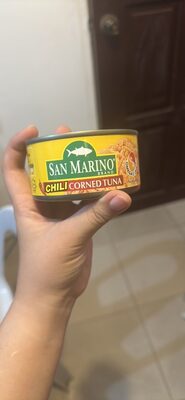 CDO FOODSPHERE, INC.
Light Chili Corned Tuna
145kcal
12.7Protein
9.1Fat
3.6Carbs
BOM PETISCO
Bom Petisco, Solid Tuna In Vegetable Oil
291kcal
27.3Protein
14.6Fat
0Carbs
CDO FOODSPHERE, INC.
Light Chili Corned Tuna
145kcal
12.7Protein
9.1Fat
3.6Carbs
BOM PETISCO
Bom Petisco, Solid Tuna In Vegetable Oil
291kcal
27.3Protein
14.6Fat
0Carbs
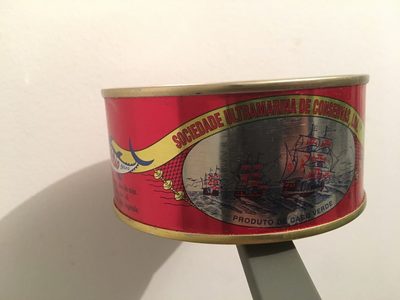 CA'D'ORO
Tuna In Soy Oil
218kcal
26.8Protein
12.5Fat
0Carbs
ECUAFOOD
Solid Tuna In Oil
156kcal
23.1Protein
9.6Fat
0Carbs
CA'D'ORO
Tuna In Soy Oil
218kcal
26.8Protein
12.5Fat
0Carbs
ECUAFOOD
Solid Tuna In Oil
156kcal
23.1Protein
9.6Fat
0Carbs
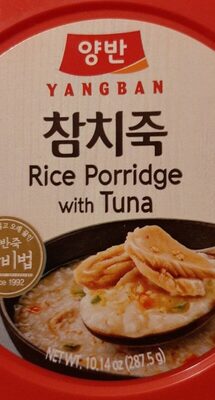 YANGBAN
Rice Porridge With Tuna
High in sodium — 24% DV per serving
53kcal
2.5Protein
0.3Fat
9.8Carbs
SARDANELLI
Tuna Fillets In Olive Oil
389kcal
22.2Protein
33.3Fat
0Carbs
YANGBAN
Rice Porridge With Tuna
High in sodium — 24% DV per serving
53kcal
2.5Protein
0.3Fat
9.8Carbs
SARDANELLI
Tuna Fillets In Olive Oil
389kcal
22.2Protein
33.3Fat
0Carbs
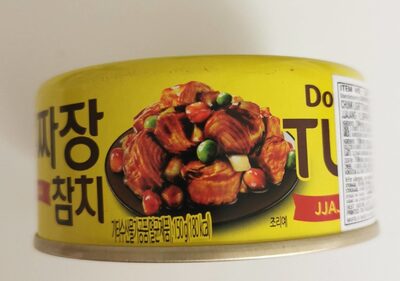 DONG WON
Jjajang Tuna With Black Bean Paste Sauce
High in sodium — 26% DV per serving
110kcal
9Protein
2.4Fat
13Carbs
LIDL
Chunk Light Yellowfin Tuna In Water, Chunk Light Yellowfin
107kcal
25Protein
0.9Fat
0Carbs
DONG WON
Dong Won, Furigake (Tuna & Vegetable)
High in sodium — 24% DV per serving
400kcal
20Protein
13.3Fat
46.7Carbs
DONG WON
Jjajang Tuna With Black Bean Paste Sauce
High in sodium — 26% DV per serving
110kcal
9Protein
2.4Fat
13Carbs
LIDL
Chunk Light Yellowfin Tuna In Water, Chunk Light Yellowfin
107kcal
25Protein
0.9Fat
0Carbs
DONG WON
Dong Won, Furigake (Tuna & Vegetable)
High in sodium — 24% DV per serving
400kcal
20Protein
13.3Fat
46.7Carbs
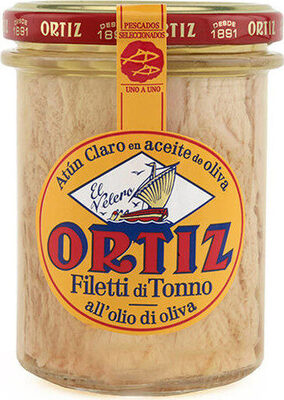 CONSERVAS ORTIZ, S.A.
Tuna In Olive Oil
161kcal
28.6Protein
6.2Fat
0Carbs
CONSERVAS ORTIZ, S.A.
Tuna In Olive Oil
161kcal
28.6Protein
6.2Fat
0Carbs
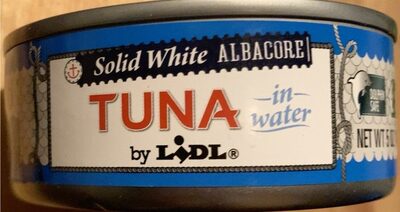 NOT A BRANDED ITEM
Solid White Albacore Tuna In Water
125kcal
28.6Protein
0.9Fat
0Carbs
NOT A BRANDED ITEM
Solid White Albacore Tuna In Water
125kcal
28.6Protein
0.9Fat
0Carbs