Turkey Tail
Auto-generated content. This description was generated automatically and is pending editorial review. Inaccuracies are possible. Found a mistake? Contact us.
What it is
Turkey Tail is a type of mushroom (Trametes versicolor) that grows on dead tree stumps and fallen logs. It is known for its fan-like shape and colorful, concentric rings resembling a turkey's tail. It is typically dried and ground into a powder for use in supplements and foods.
Why it's used
Turkey Tail is often added to beverages like teas and protein drinks, as well as powdered drink mixes. Manufacturers may include it for its purported health benefits, often associated with its polysaccharide content, rather than for a specific functional property like sweetening or preserving.
Health notes
Turkey Tail is generally recognized as safe (GRAS) by the FDA for use as a dietary ingredient. Research into its health effects, particularly its polysaccharide-K (PSK) and polysaccharide-peptides (PSP) content, is ongoing. Some studies suggest potential immune-modulating effects, but more robust clinical trials are needed to confirm these benefits. JECFA and EFSA have not established specific ADIs for Turkey Tail, as it is typically consumed as a dietary supplement or food ingredient rather than a food additive.
Allergen info
Turkey Tail is a mushroom and is not derived from any of the 9 FDA major allergens. It does not contain gluten.
Products containing Turkey Tail
Compare products →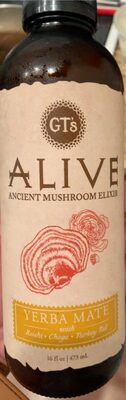 MILLENNIUM PRODUCTS
Adaptogenic Tea, Mate Mint
12kcal
0Protein
0Fat
3.3Carbs
Luchi Organics
Epic Protein Organic Plant Protein 20 G + Superfoods Powder, Complete Coffee, Complete Coffee
461kcal
52.6Protein
7.9Fat
31.6Carbs
MILLENNIUM PRODUCTS
Cascara Spice Adaptogenic Tea, Cascara Spice
10kcal
0Protein
0Fat
2.5Carbs
Luchi Organics
Epic Protein Organic Plant Protein 20 G + Superfoods Powder, Complete Coffee, Complete Coffee
461kcal
52.6Protein
7.9Fat
31.6Carbs
Matcha Latte Mushroom & Matcha Beverage Mix, Matcha Latte
500kcal
25Protein
25Fat
25Carbs
MILLENNIUM PRODUCTS
Cola Ancient Mushroom Elixir
4kcal
0Protein
0Fat
3.0Carbs
MILLENNIUM PRODUCTS
Lemon Lime Ancient Mushroom Elixir, Lemon; Lime
4kcal
0Protein
0Fat
3.0Carbs
MILLENNIUM PRODUCTS
Adaptogenic Tea, Mate Mint
12kcal
0Protein
0Fat
3.3Carbs
Luchi Organics
Epic Protein Organic Plant Protein 20 G + Superfoods Powder, Complete Coffee, Complete Coffee
461kcal
52.6Protein
7.9Fat
31.6Carbs
MILLENNIUM PRODUCTS
Cascara Spice Adaptogenic Tea, Cascara Spice
10kcal
0Protein
0Fat
2.5Carbs
Luchi Organics
Epic Protein Organic Plant Protein 20 G + Superfoods Powder, Complete Coffee, Complete Coffee
461kcal
52.6Protein
7.9Fat
31.6Carbs
Matcha Latte Mushroom & Matcha Beverage Mix, Matcha Latte
500kcal
25Protein
25Fat
25Carbs
MILLENNIUM PRODUCTS
Cola Ancient Mushroom Elixir
4kcal
0Protein
0Fat
3.0Carbs
MILLENNIUM PRODUCTS
Lemon Lime Ancient Mushroom Elixir, Lemon; Lime
4kcal
0Protein
0Fat
3.0Carbs