Coconut Crystals
What is Coconut Crystals?
Coconut crystals are made from the dehydrated sap of the coconut blossom. The sap is harvested from the flower of the coconut palm tree. It is then gently heated to evaporate the water, leaving behind small, crystal-like granules.
Is Coconut Crystals vegan?
Coconut Crystals is not animal-derived. Products that contain it can still include other animal-derived ingredients, so check the full ingredient list.
Is Coconut Crystals a major allergen?
Coconut is not considered one of the 9 major allergens by the FDA.
What is Coconut Crystals used for?
Manufacturers use coconut crystals primarily as a natural sweetener.
Is Coconut Crystals safe?
Coconut crystals are generally recognized as safe (GRAS) by the FDA when used as a food ingredient.
Why it's used
Manufacturers use coconut crystals primarily as a natural sweetener. They offer a slightly caramel-like flavor, similar to brown sugar. They can be found in a variety of baked goods, beverages, and snack items.
Health notes
Coconut crystals are generally recognized as safe (GRAS) by the FDA when used as a food ingredient. They are a source of carbohydrates and contain trace amounts of minerals. JECFA has evaluated coconut sap and found it to be safe. Evidence does not suggest adverse health effects from consuming coconut crystals in typical amounts.
Allergen info
Coconut is not considered one of the 9 major allergens by the FDA. It is botanically classified as a fruit, not a tree nut, although some individuals with tree nut allergies may react to coconut.
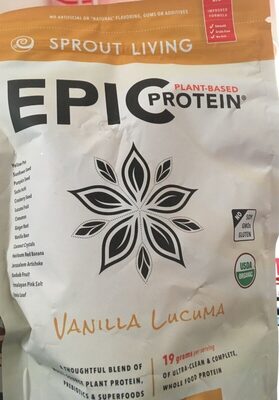
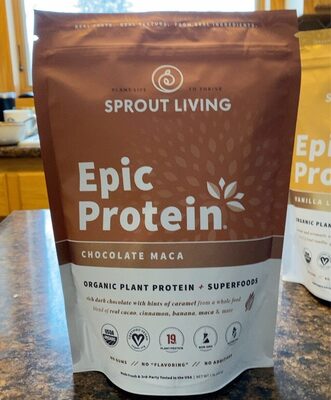
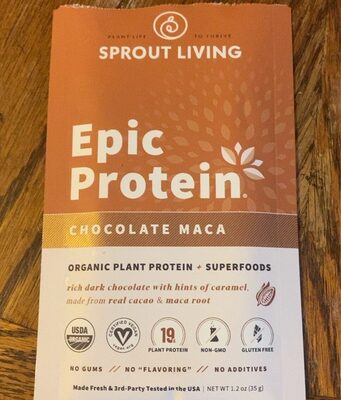
Foods that contain Coconut Crystals
Compare products →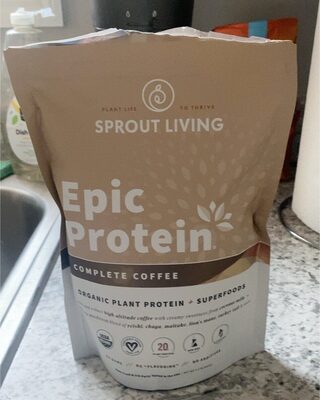
Learn more
Auto-generated content. This description was generated automatically and is pending editorial review. Inaccuracies are possible. Found a mistake? Contact us.