Maitake
What is Maitake?
Maitake is a type of edible mushroom that grows in clusters at the base of trees. It is native to Japan, China, and North America. It is often cultivated for commercial use, where it is grown on sterilized substrates.
Is Maitake vegan?
Maitake is not animal-derived. Products that contain it can still include other animal-derived ingredients, so check the full ingredient list.
Is Maitake gluten-free?
They do not contain gluten.
Is Maitake a major allergen?
Maitake mushrooms are not one of the nine major allergens identified by the FDA.
What is Maitake used for?
Maitake mushrooms are used as a food ingredient for their earthy flavor and meaty texture.
Is Maitake safe?
Maitake mushrooms are generally recognized as safe (GRAS) by the FDA for use as a food ingredient.
Why it's used
Maitake mushrooms are used as a food ingredient for their earthy flavor and meaty texture. They are commonly found in soups, sauces, and stir-fry dishes. They can also be dried and powdered for use in supplements or as a flavoring agent.
Health notes
Maitake mushrooms are generally recognized as safe (GRAS) by the FDA for use as a food ingredient. Some research suggests maitake may have benefits for immune function and blood sugar control, but more studies are needed. The WHO and EFSA have not specifically evaluated maitake mushrooms for food additive purposes.
Allergen info
Maitake mushrooms are not one of the nine major allergens identified by the FDA. They do not contain gluten.
Foods that contain Maitake
Compare products →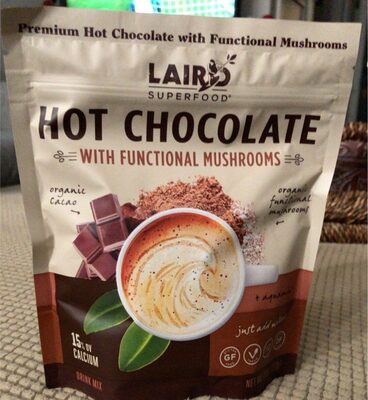
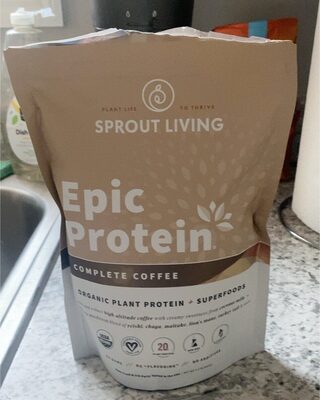
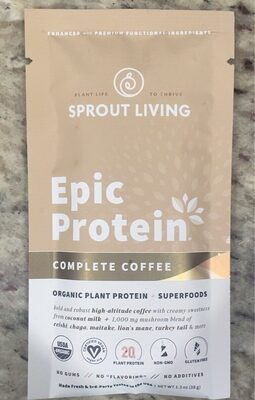
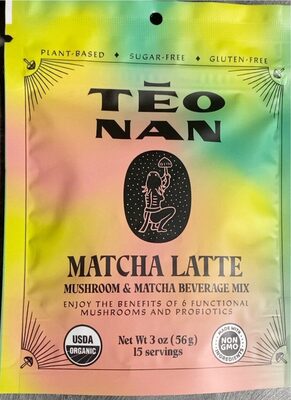
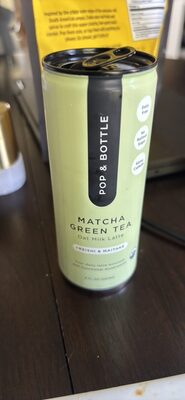
Auto-generated content. This description was generated automatically and is pending editorial review. Inaccuracies are possible. Found a mistake? Contact us.