Udon Noodles
What is Udon Noodles?
Udon noodles are a thick wheat flour noodle used in Japanese cuisine. They are made from wheat flour, salt, and water, and are typically kneaded and cut into thick strands. Udon noodles have a chewy texture and a mild flavor.
Is Udon Noodles vegan?
Udon Noodles is not animal-derived. Products that contain it can still include other animal-derived ingredients, so check the full ingredient list.
Is Udon Noodles gluten-free?
They contain gluten.
Is Udon Noodles a major allergen?
Udon noodles are made from wheat, which is one of the 9 FDA major allergens.
What is Udon Noodles used for?
Udon noodles are a staple in Japanese cooking, often served in hot broths or stir-fried dishes.
Is Udon Noodles safe?
Udon noodles are primarily a source of carbohydrates.
Why it's used
Udon noodles are a staple in Japanese cooking, often served in hot broths or stir-fried dishes. Manufacturers use them as a carbohydrate base in prepared meals, soups, and noodle dishes. Their mild flavor and chewy texture make them versatile for absorbing sauces and broths.
Health notes
Udon noodles are primarily a source of carbohydrates. They are not typically subject to FDA regulation as an additive. International bodies like JECFA have evaluated wheat and its components, but specific evaluations for udon noodles are not commonly cited. As with any refined grain product, moderation is generally advised within a balanced diet.
Allergen info
Udon noodles are made from wheat, which is one of the 9 FDA major allergens. They contain gluten.
Foods that contain Udon Noodles
Compare products →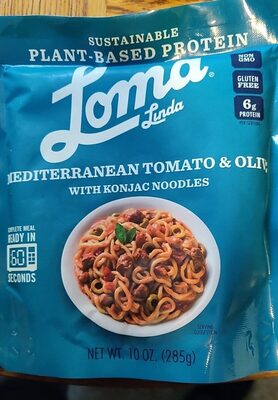
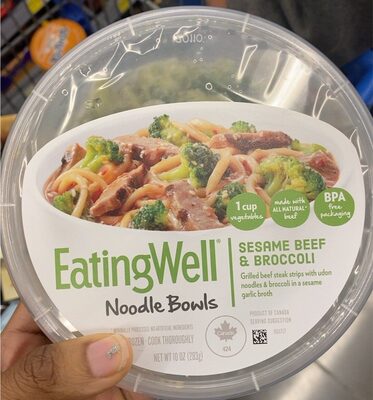
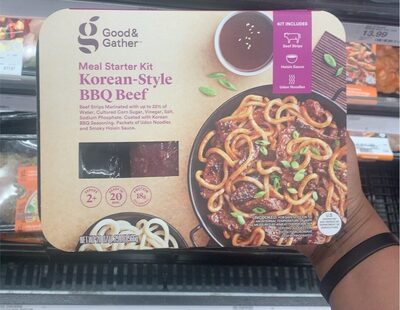
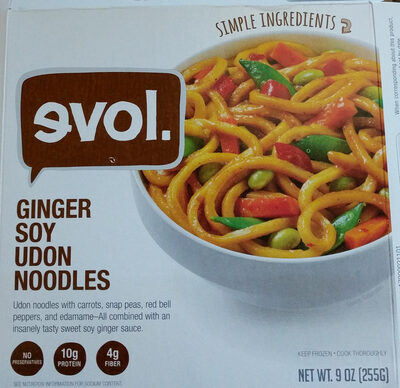
Learn more
Auto-generated content. This description was generated automatically and is pending editorial review. Inaccuracies are possible. Found a mistake? Contact us.