Used To Retain Moisture
What is Used To Retain Moisture?
Ingredients used to retain moisture, often called humectants, are substances that attract and hold water. They are typically carbohydrates like sorbitol, glycerol, or propylene glycol, or sometimes salts. They are manufactured through chemical synthesis or processing of natural sources.
Is Used To Retain Moisture a major allergen?
Most common humectants are not derived from major allergens.
What is Used To Retain Moisture used for?
Manufacturers add humectants to foods to prevent them from drying out, keeping them soft and fresh.
Is Used To Retain Moisture safe?
Many humectants are recognized as safe by the FDA for use in food.
Why it's used
Manufacturers add humectants to foods to prevent them from drying out, keeping them soft and fresh. They are commonly found in baked goods, confectionery, dried fruits, and processed meats. They help maintain texture and palatability.
Health notes
Many humectants are recognized as safe by the FDA for use in food. For example, glycerol and sorbitol are FDA-approved food additives. International bodies like JECFA have evaluated many humectants and established acceptable daily intakes. At typical consumption levels, they are not associated with adverse health effects for most people.
Allergen info
Most common humectants are not derived from major allergens. However, some may be produced using processes that involve allergens, so individuals with severe allergies should check product labels for specific manufacturing information. Not a major allergen.
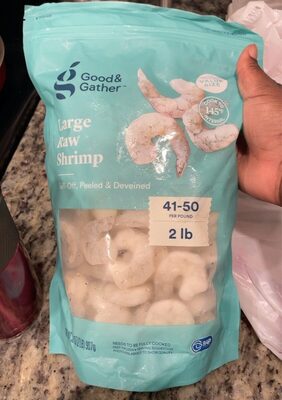
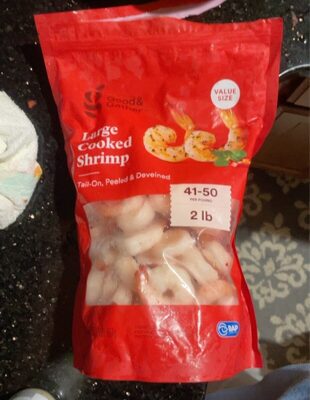
Foods that contain Used To Retain Moisture
Compare products →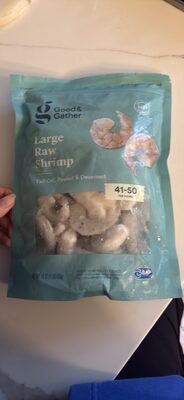
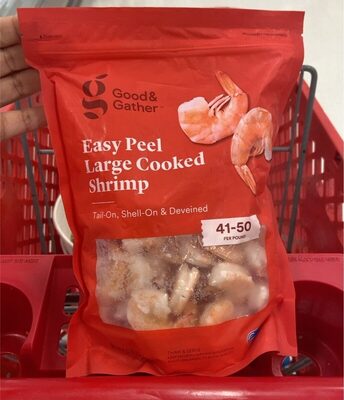
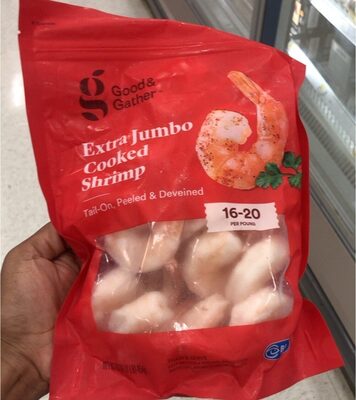
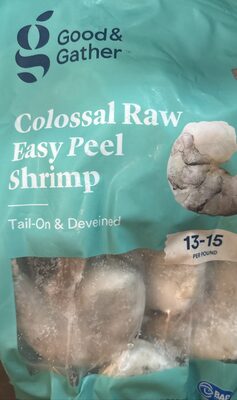
Auto-generated content. This description was generated automatically and is pending editorial review. Inaccuracies are possible. Found a mistake? Contact us.