Sodium Tripolyphosphate
What is Sodium Tripolyphosphate?
Sodium tripolyphosphate (STPP) is a synthetic chemical compound, a salt of phosphoric acid. It is produced by heating sodium phosphate.
Is Sodium Tripolyphosphate vegan?
Sodium Tripolyphosphate is not animal-derived. Products that contain it can still include other animal-derived ingredients, so check the full ingredient list.
Is Sodium Tripolyphosphate a major allergen?
Not a major allergen.
What is Sodium Tripolyphosphate used for?
Manufacturers add sodium tripolyphosphate to foods as a sequestrant, emulsifier, and texturizer.
Is Sodium Tripolyphosphate safe?
In the United States, sodium tripolyphosphate is an approved food additive and is generally recognized as safe (GRAS) for specific uses by the FDA.
Why it's used
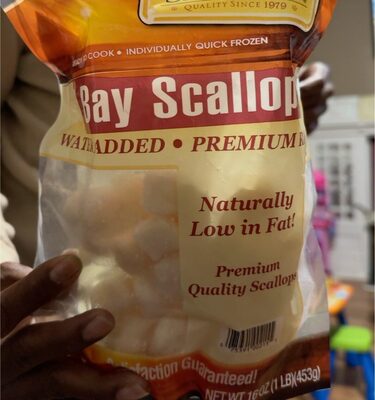
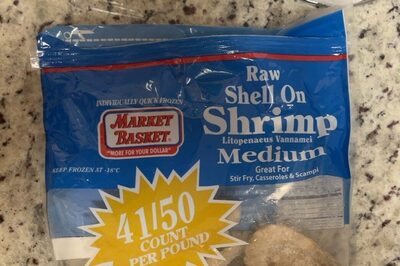
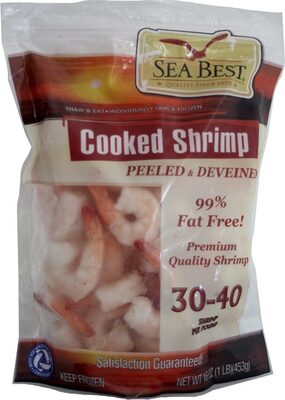
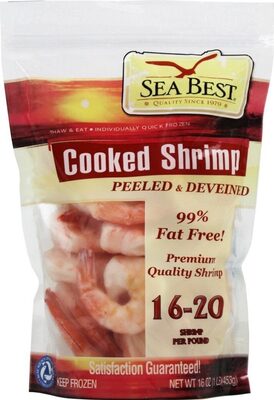
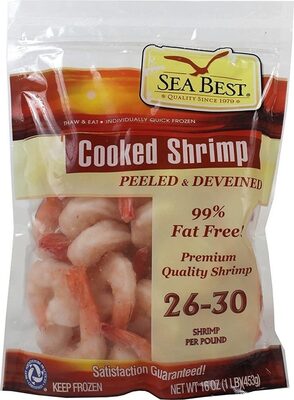
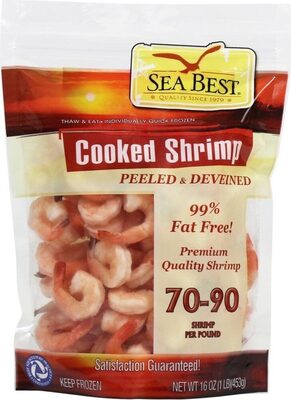
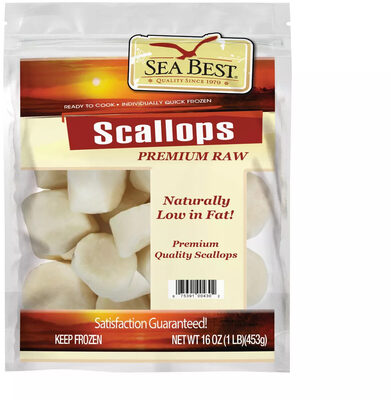
Manufacturers add sodium tripolyphosphate to foods as a sequestrant, emulsifier, and texturizer. It helps retain moisture in seafood like shrimp and scallops, improves the texture of processed meats, and can be found in some dairy products and processed cheeses.
Health notes
In the United States, sodium tripolyphosphate is an approved food additive and is generally recognized as safe (GRAS) for specific uses by the FDA. JECFA (the Joint FAO/WHO Expert Committee on Food Additives) has evaluated phosphates, including sodium tripolyphosphate, and established an acceptable daily intake for total phosphorus intake. EFSA (the European Food Safety Authority) has also evaluated phosphates. Concerns about high phosphate intake are generally related to overall dietary phosphorus, particularly for individuals with kidney disease, rather than specifically from food additive levels.
Allergen info
Not a major allergen.
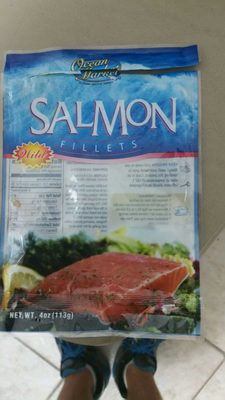
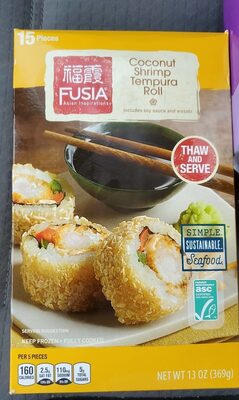
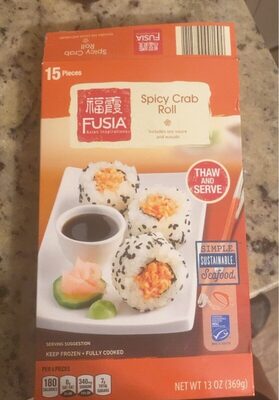
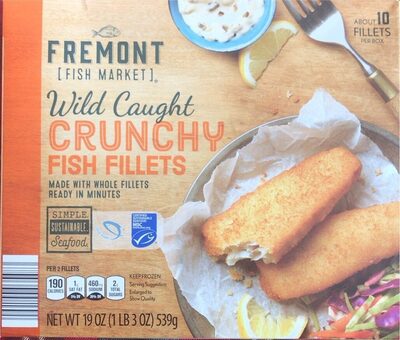
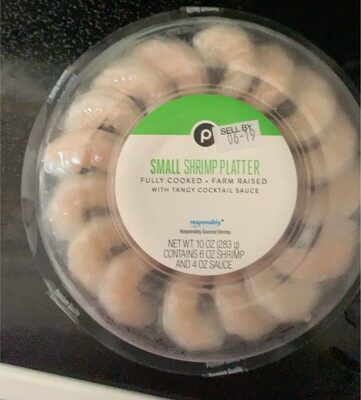
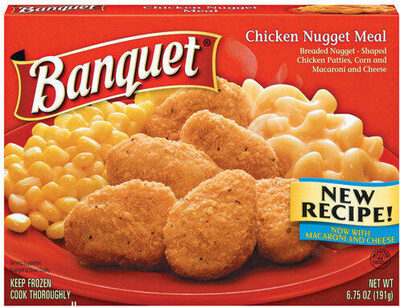
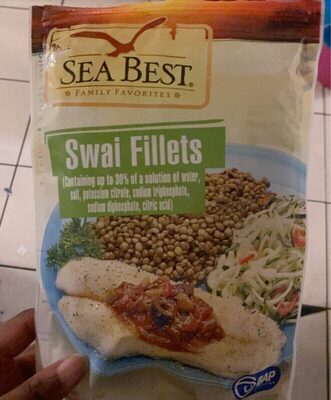
Foods that contain Sodium Tripolyphosphate
Compare products →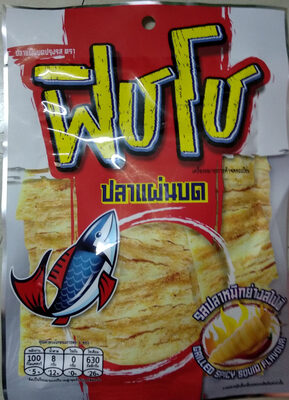


Learn more
Auto-generated content. This description was generated automatically and is pending editorial review. Inaccuracies are possible. Found a mistake? Contact us.