Vanillin And Other Artificial Flavors
Auto-generated content. This description was generated automatically and is pending editorial review. Inaccuracies are possible. Found a mistake? Contact us.
What it is
Vanillin is the primary compound that gives vanilla its characteristic flavor. While natural vanillin is extracted from vanilla beans, the vast majority used in food is produced synthetically in a lab. Artificial flavors are compounds created to mimic natural flavors, often through chemical synthesis.
Why it's used
Artificial flavors, including vanillin, are added to foods to enhance or impart specific tastes. They are used in a wide variety of products, especially baked goods like cookies and cakes, as well as chocolate and confectionery items, to provide a desirable flavor profile.
Health notes
Vanillin and other artificial flavors are generally recognized as safe (GRAS) by the FDA when used for their intended purpose. Regulatory bodies like JECFA and EFSA have evaluated flavorings, and they are permitted for use globally. At typical consumption levels found in food, these flavors are not associated with adverse health effects.
Allergen info
Vanillin and most artificial flavors are not derived from major allergens. They do not contain gluten.
Products containing Vanillin And Other Artificial Flavors
Compare products →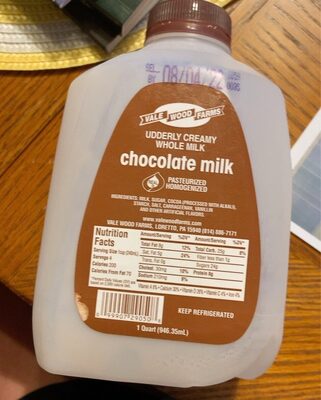 High View Inc.
Chocolate Udderly Creamy Whole Milk, Chocolate
High in saturated fat — 25% DV per serving
83kcal
3.3Protein
3.3Fat
10.4Carbs
High View Inc.
Chocolate Udderly Creamy Whole Milk, Chocolate
High in saturated fat — 25% DV per serving
83kcal
3.3Protein
3.3Fat
10.4Carbs