Vegan Amylase Enzyme
What is Vegan Amylase Enzyme?
Amylase is an enzyme that breaks down starch into sugars. It is often produced by fermentation using microorganisms like bacteria or fungi, making it suitable for vegan products. These enzymes are then purified for use in food.
Is Vegan Amylase Enzyme vegan?
Vegan Amylase Enzyme is not animal-derived. Products that contain it can still include other animal-derived ingredients, so check the full ingredient list.
Is Vegan Amylase Enzyme gluten-free?
It does not contain gluten.
Is Vegan Amylase Enzyme a major allergen?
Amylase is not derived from any of the 9 major allergens.
What is Vegan Amylase Enzyme used for?
Manufacturers add amylase to improve the texture and shelf life of baked goods and other starchy foods.
Is Vegan Amylase Enzyme safe?
Amylase is generally recognized as safe (GRAS) by the FDA for use in food.
Why it's used
Manufacturers add amylase to improve the texture and shelf life of baked goods and other starchy foods. It can help break down starches, making dough more pliable and contributing to a softer crumb. It is commonly found in yogurts and cheeses to aid in texture and breakdown of milk sugars.
Health notes
Amylase is generally recognized as safe (GRAS) by the FDA for use in food. Enzymes like amylase are proteins that are broken down during digestion and are not typically associated with adverse health effects when consumed in amounts found in food. International bodies like JECFA have evaluated enzymes for food use.
Allergen info
Amylase is not derived from any of the 9 major allergens. It does not contain gluten.
Foods that contain Vegan Amylase Enzyme
Compare products →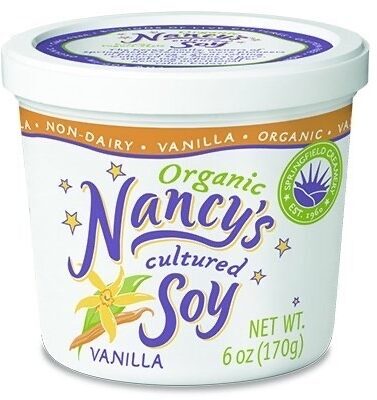 Springfield Creamery Inc.
Nancy's, Organic Creamy Yogurt-Style Cultured Soy, Vanilla, Vanilla
71kcal
2.4Protein
1.8Fat
11.2Carbs
Springfield Creamery Inc.
Nancy's, Organic Cultured Soy, Raspberry, Raspberry
82kcal
2.9Protein
2.1Fat
14.1Carbs
Vtopian Artisan Cheeses
Vtopian Artisan Cheeses, Caramelised Onion Camembert Cultured Cashew Cheese
High in saturated fat — 40% DV per serving
464kcal
7.1Protein
42.9Fat
21.4Carbs
Springfield Creamery Inc.
Nancy's, Organic Creamy Yogurt-Style Cultured Soy, Vanilla, Vanilla
71kcal
2.4Protein
1.8Fat
11.2Carbs
Springfield Creamery Inc.
Nancy's, Organic Cultured Soy, Raspberry, Raspberry
82kcal
2.9Protein
2.1Fat
14.1Carbs
Vtopian Artisan Cheeses
Vtopian Artisan Cheeses, Caramelised Onion Camembert Cultured Cashew Cheese
High in saturated fat — 40% DV per serving
464kcal
7.1Protein
42.9Fat
21.4Carbs
Auto-generated content. This description was generated automatically and is pending editorial review. Inaccuracies are possible. Found a mistake? Contact us.