Agar-agar
Auto-generated content. This description was generated automatically and is pending editorial review. Inaccuracies are possible. Found a mistake? Contact us.
What it is
Agar-agar is a jelly-like substance derived from red algae. It is processed from the cell walls of certain seaweeds, typically those in the Gracilaria genus. The seaweed is boiled, and the resulting liquid is filtered, purified, and then dried into flakes, powder, or bars.
Why it's used
Agar-agar is primarily used as a gelling agent, thickener, and stabilizer in food products. It creates a firmer gel than gelatin and is often found in desserts like jellies, puddings, custards, and ice cream. It is also used in some baked goods, sauces, and as a vegan alternative to gelatin.
Health notes
In the U.S., agar-agar is generally recognized as safe (GRAS) by the FDA for use as a food additive. It is primarily composed of soluble fiber, which may aid digestion for some individuals. International bodies like JECFA and EFSA have evaluated agar-agar and established acceptable daily intake levels. Evidence does not suggest significant health concerns when consumed in typical amounts found in food.
Allergen info
Agar-agar is derived from seaweed and is not one of the nine major allergens recognized by the FDA. It does not contain gluten.
Products containing Agar-agar
Compare products →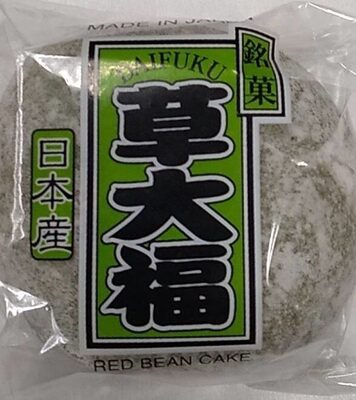 DAIFUKU
Daifuku, Rice Cake
245kcal
3.6Protein
0Fat
57.3Carbs
DAIFUKU
Daifuku, Rice Cake
245kcal
3.6Protein
0Fat
57.3Carbs
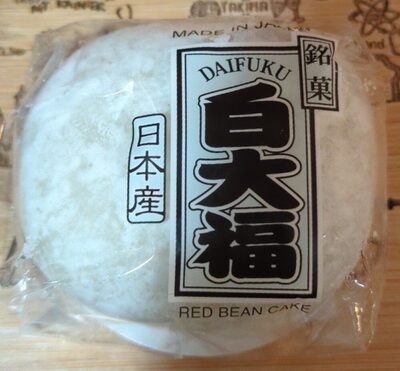 DAIFUKU
Daifuku, Red Bean Cake
273kcal
3.6Protein
0Fat
63.6Carbs
DAIFUKU
Daifuku, Red Bean Cake
273kcal
3.6Protein
0Fat
63.6Carbs
 DAIFUKU
Daifuku, Mochi Mame (Rice Cake)
264kcal
3.6Protein
0Fat
61.8Carbs
JFC INTERNATIONAL
Bean Jelly
281kcal
3.5Protein
0Fat
68.4Carbs
KINJO
Bean Jelly
300kcal
3.3Protein
0Fat
70Carbs
TWO-BITE
Cinnamon Rolls
High in added sugars — 28% DV per serving
368kcal
5.3Protein
15.8Fat
50.9Carbs
KIMBERLEY'S BAKESHOPPE
Gourmet Cupcakes
High in saturated fat — 30% DV per serving
High in added sugars — 36% DV per serving
440kcal
4Protein
26Fat
48Carbs
TWO-BITE
Original Cinnamon Rolls, Original
High in added sugars — 28% DV per serving
368kcal
5.3Protein
15.8Fat
50.9Carbs
GRETHER'S PASTILLES
Blueberry Sugar Free For Throat And Voice With Glycerine & Fruit Juice
—kcal
20Protein
0Fat
80Carbs
DAIFUKU
Daifuku, Mochi Mame (Rice Cake)
264kcal
3.6Protein
0Fat
61.8Carbs
JFC INTERNATIONAL
Bean Jelly
281kcal
3.5Protein
0Fat
68.4Carbs
KINJO
Bean Jelly
300kcal
3.3Protein
0Fat
70Carbs
TWO-BITE
Cinnamon Rolls
High in added sugars — 28% DV per serving
368kcal
5.3Protein
15.8Fat
50.9Carbs
KIMBERLEY'S BAKESHOPPE
Gourmet Cupcakes
High in saturated fat — 30% DV per serving
High in added sugars — 36% DV per serving
440kcal
4Protein
26Fat
48Carbs
TWO-BITE
Original Cinnamon Rolls, Original
High in added sugars — 28% DV per serving
368kcal
5.3Protein
15.8Fat
50.9Carbs
GRETHER'S PASTILLES
Blueberry Sugar Free For Throat And Voice With Glycerine & Fruit Juice
—kcal
20Protein
0Fat
80Carbs
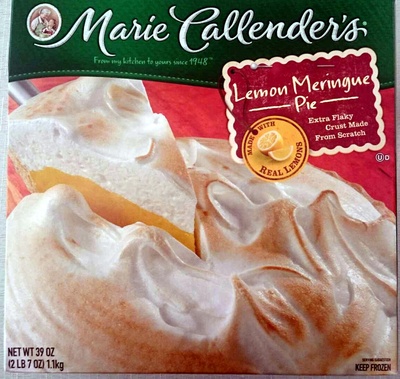 Conagra Brands
MARIE CALLENDERS Lemon Meringue Pie, 39 OZ
High in saturated fat — 20% DV per serving
260kcal
2.4Protein
7.3Fat
45.5Carbs
Conagra Brands
MARIE CALLENDERS Lemon Meringue Pie, 39 OZ
High in saturated fat — 20% DV per serving
260kcal
2.4Protein
7.3Fat
45.5Carbs