Vegetable Glycerine
What is Vegetable Glycerine?
Vegetable glycerine, also known as glycerol, is a clear, colorless, odorless liquid. It is a sugar alcohol derived from plant oils, such as soybean or coconut oil, or animal fats. It is produced through a process called hydrolysis or transesterification.
Is Vegetable Glycerine gluten-free?
It does not contain gluten.
Is Vegetable Glycerine a major allergen?
Vegetable glycerine is not derived from any of the nine FDA major allergens.
What is Vegetable Glycerine used for?
Manufacturers add vegetable glycerine to foods as a humectant, solvent, and sweetener.
Is Vegetable Glycerine safe?
Vegetable glycerine is generally recognized as safe (GRAS) by the FDA for use in food.
Why it's used
Manufacturers add vegetable glycerine to foods as a humectant, solvent, and sweetener. It helps retain moisture, preventing foods from drying out. It is commonly found in baked goods, confectionery, and beverages.
Health notes
Vegetable glycerine is generally recognized as safe (GRAS) by the FDA for use in food. It is metabolized differently than sugar and does not significantly raise blood sugar levels. The Joint FAO/WHO Expert Committee on Food Additives (JECFA) has evaluated glycerol and established an acceptable daily intake. Evidence does not suggest adverse health effects at typical consumption levels.
Allergen info
Vegetable glycerine is not derived from any of the nine FDA major allergens. It does not contain gluten.
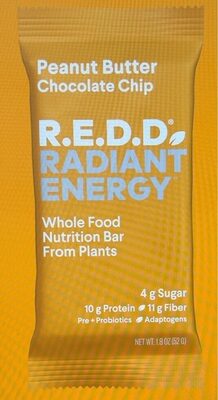
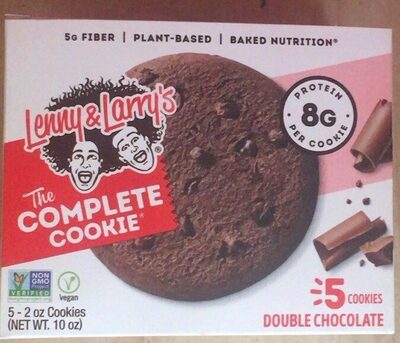
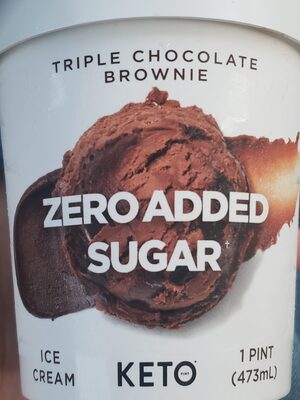
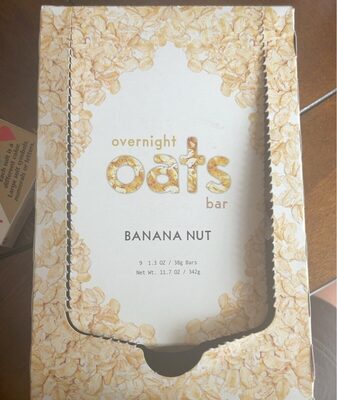
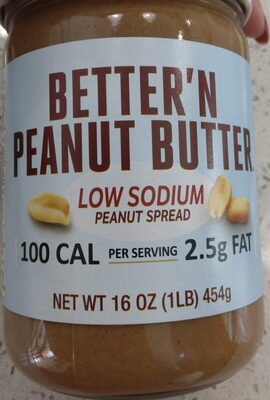
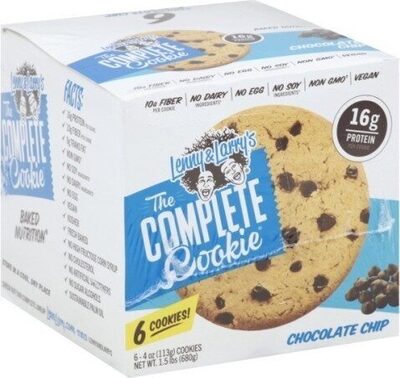
Foods that contain Vegetable Glycerine
Compare products →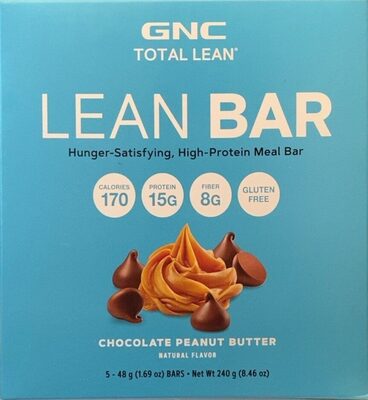
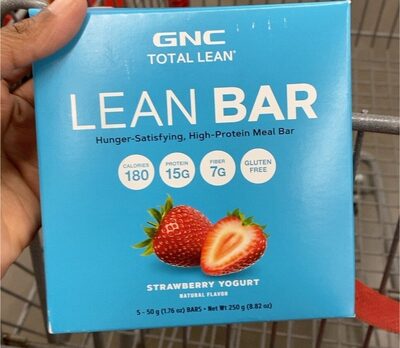
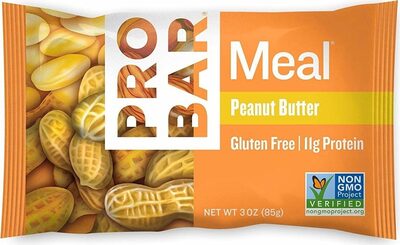
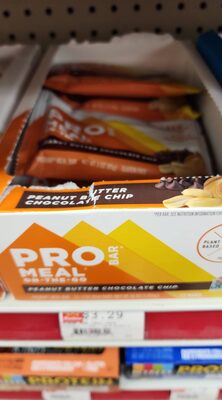
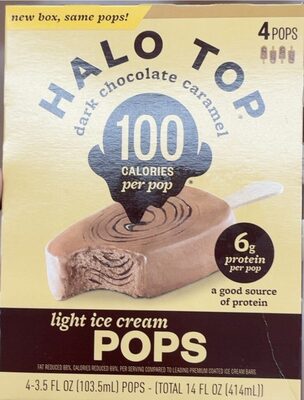
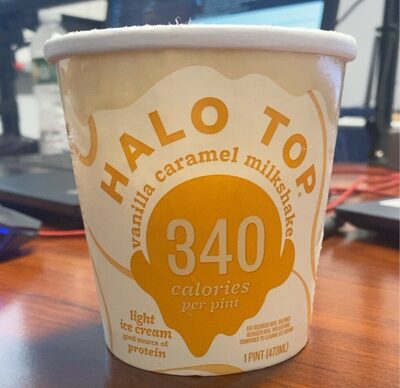
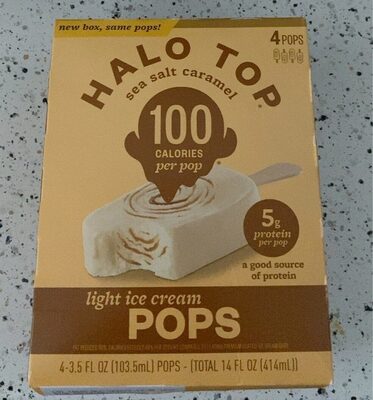 Halo Top
Sea Salt Caramel Light Ice Cream Pops, Sea Salt Caramel
128kcal
6.4Protein
3.2Fat
25.6Carbs

Learn more
Auto-generated content. This description was generated automatically and is pending editorial review. Inaccuracies are possible. Found a mistake? Contact us.