Vegetable Oil & Salt
Auto-generated content. This description was generated automatically and is pending editorial review. Inaccuracies are possible. Found a mistake? Contact us.
What it is
Vegetable oil is a fat extracted from plants. It is typically made by pressing seeds, fruits, or other plant parts to release their oils. The oil is then often refined to remove impurities and improve its flavor and shelf life.
Why it's used
Vegetable oil is used as a cooking medium and as an ingredient in many processed foods. It adds moisture, richness, and helps bind ingredients together. It is commonly found in baked goods, snacks, salad dressings, and fried foods.
Health notes
Vegetable oils are generally recognized as safe (GRAS) by the FDA for use in food. They are a source of energy and can provide essential fatty acids. International bodies like JECFA have evaluated vegetable oils. While generally considered healthy in moderation as part of a balanced diet, excessive intake of certain types of fats, like saturated and trans fats, has been linked to health concerns.
Allergen info
Vegetable oils are not typically considered major allergens. However, some vegetable oils are derived from major allergens like soy or peanuts, and may be subject to allergen labeling requirements if they are not highly refined.
Products containing Vegetable Oil & Salt
Compare products →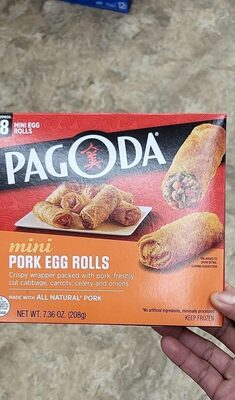 Schwan's Company
Pork Egg Mini Rolls Crispy Wrapper Packed With Pork, Freshly Cut Cabbage, Carrots, Celery And Onions, Pork Egg
218kcal
5.1Protein
12.8Fat
20.5Carbs
Schwan's Company
Pork Egg Mini Rolls Crispy Wrapper Packed With Pork, Freshly Cut Cabbage, Carrots, Celery And Onions, Pork Egg
218kcal
5.1Protein
12.8Fat
20.5Carbs
 Tropical Del Campo, Inc.
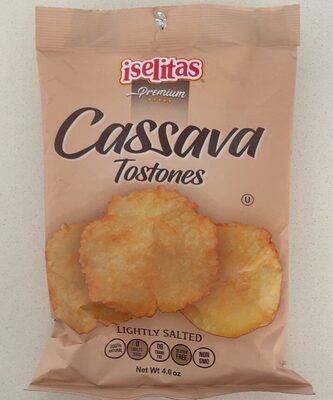
Cassava Tostones, Lightly Salted
High in saturated fat — 20% DV per serving
564kcal
0Protein
31.8Fat
63.5Carbs
Tropical Del Campo, Inc.
Cassava Tostones, Lightly Salted
High in saturated fat — 20% DV per serving
564kcal
0Protein
31.8Fat
63.5Carbs
 Tropical Del Campo, Inc.
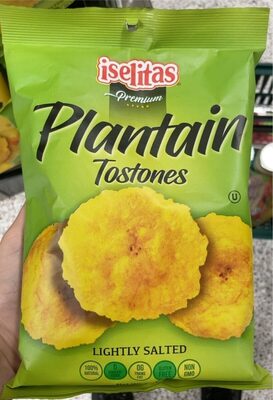
Plantain Tostones, Lightly Salted
High in saturated fat — 20% DV per serving
504kcal
3.5Protein
24.7Fat
67.0Carbs
Tropical Del Campo, Inc.
Plantain Tostones, Lime
High in saturated fat — 20% DV per serving
504kcal
3.5Protein
24.7Fat
67.0Carbs
Tropical Del Campo, Inc.
Plantain Tostones, Lightly Salted
High in saturated fat — 20% DV per serving
504kcal
3.5Protein
24.7Fat
67.0Carbs
Tropical Del Campo, Inc.
Plantain Tostones, Lime
High in saturated fat — 20% DV per serving
504kcal
3.5Protein
24.7Fat
67.0Carbs