Vinegar And Citric Acid
Auto-generated content. This description was generated automatically and is pending editorial review. Inaccuracies are possible. Found a mistake? Contact us.
What it is
Vinegar is a liquid made from the fermentation of ethanol by acetic acid bacteria. Citric acid is a weak organic acid found naturally in citrus fruits like lemons and limes. Both are commonly used as food ingredients.
Why it's used
Vinegar and citric acid are primarily used to add a sour or tart flavor to foods. They also act as preservatives by lowering the pH, which can inhibit microbial growth. They are found in a wide variety of products, including salad dressings, sauces, pickles, canned vegetables, and snack foods like chips and pretzels.
Health notes
Vinegar and citric acid are generally recognized as safe (GRAS) by the FDA for use in food. Citric acid occurs naturally in the body and is an important part of energy production. While generally safe, high concentrations of citric acid can erode tooth enamel. International bodies like JECFA have evaluated these ingredients. Evidence does not suggest adverse health effects from consuming these ingredients at typical levels found in food.
Allergen info
Neither vinegar nor citric acid are derived from any of the FDA's major allergens. They do not contain gluten.
Products containing Vinegar And Citric Acid
Compare products →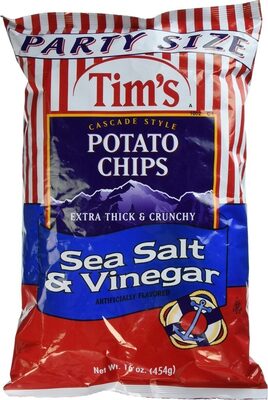 Pinnacle Foods Group LLC
Sea Salt & Vinegar Cascade Style Potato Chips, Sea Salt & Vinegar
—kcal
7.1Protein
32.1Fat
53.6Carbs
Perdue Farms Incorporated
Glazed Chicken Wings Sections, Spicy Buffalo Style
High in sodium — 33% DV per serving
High in cholesterol — 35% DV per serving
190kcal
21.4Protein
11.9Fat
0Carbs
Pinnacle Foods Group LLC
Sea Salt & Vinegar Cascade Style Potato Chips, Sea Salt & Vinegar
—kcal
7.1Protein
32.1Fat
53.6Carbs
Perdue Farms Incorporated
Glazed Chicken Wings Sections, Spicy Buffalo Style
High in sodium — 33% DV per serving
High in cholesterol — 35% DV per serving
190kcal
21.4Protein
11.9Fat
0Carbs
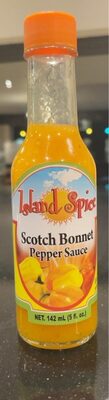 Island Spice
Scotch Bonnet Pepper Sauce, Scotch Bonnet Pepper
0kcal
0Protein
0Fat
0Carbs
Wildfare Inc.
Fire Roasted Eggplant Bruschetta, Fire Roasted Eggplant
117kcal
3.3Protein
10Fat
6.7Carbs
Island Spice
Scotch Bonnet Pepper Sauce, Scotch Bonnet Pepper
0kcal
0Protein
0Fat
0Carbs
Wildfare Inc.
Fire Roasted Eggplant Bruschetta, Fire Roasted Eggplant
117kcal
3.3Protein
10Fat
6.7Carbs