Vitamin And Mineral Blend Calcium Carbonate
What is Vitamin And Mineral Blend Calcium Carbonate?
Calcium carbonate is a mineral that occurs naturally in rocks and shells. It is commonly produced by grinding limestone or oyster shells. In food, it's often used as a source of calcium and as a processing aid.
Is Vitamin And Mineral Blend Calcium Carbonate a major allergen?
Not a major allergen.
What is Vitamin And Mineral Blend Calcium Carbonate used for?
Manufacturers add calcium carbonate to fortify foods with calcium, helping to meet daily requirements.
Is Vitamin And Mineral Blend Calcium Carbonate safe?
Calcium carbonate is Generally Recognized As Safe (GRAS) by the FDA for use in food.
Why it's used
Manufacturers add calcium carbonate to fortify foods with calcium, helping to meet daily requirements. It can also be used as an anti-caking agent, a colorant, or a firming agent in some food products like baked goods and dairy alternatives.
Health notes
Calcium carbonate is Generally Recognized As Safe (GRAS) by the FDA for use in food. It is a primary source of calcium, essential for bone health. The Joint FAO/WHO Expert Committee on Food Additives (JECFA) and the European Food Safety Authority (EFSA) have evaluated calcium carbonate. While generally considered safe, excessive intake of calcium supplements can lead to side effects like constipation or kidney stones.
Allergen info
Not a major allergen. Calcium carbonate itself is a mineral and does not contain allergens. However, if derived from sources like oyster shells, it's important to consider potential cross-contamination if severe allergies are present.
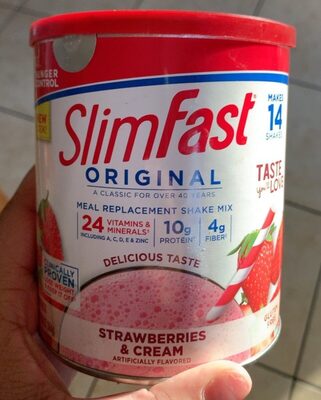
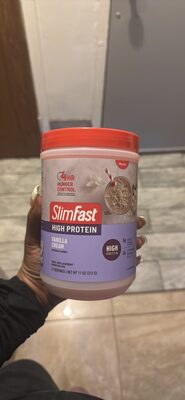
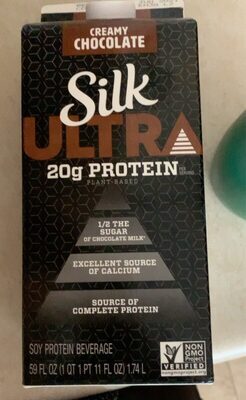
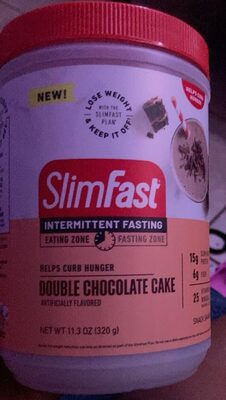
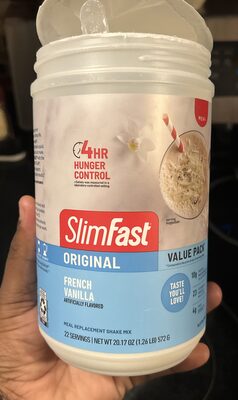
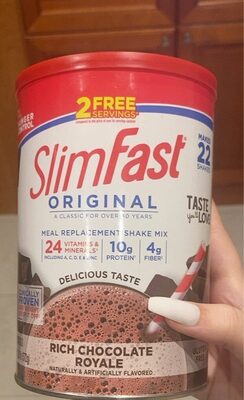
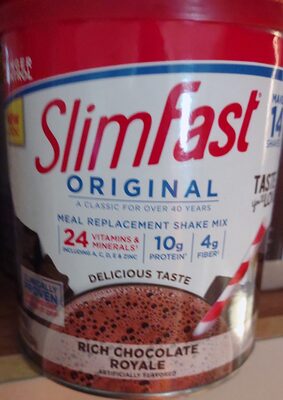
Foods that contain Vitamin And Mineral Blend Calcium Carbonate
Compare products →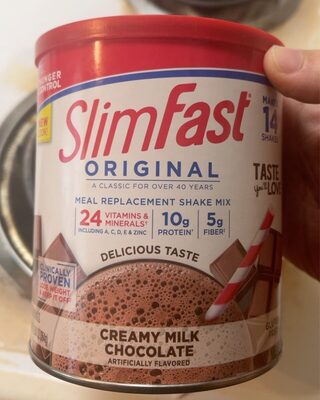


Learn more
Auto-generated content. This description was generated automatically and is pending editorial review. Inaccuracies are possible. Found a mistake? Contact us.