Vitamin B Thiamin Mononitrate
What is Vitamin B Thiamin Mononitrate?
Thiamin mononitrate is a synthetic form of vitamin B1, also known as thiamin. It is a white crystalline powder. It is often used to fortify foods because it is more stable than thiamin hydrochloride.
Is Vitamin B Thiamin Mononitrate vegan?
Vitamin B Thiamin Mononitrate is not animal-derived. Products that contain it can still include other animal-derived ingredients, so check the full ingredient list.
Is Vitamin B Thiamin Mononitrate gluten-free?
It does not contain gluten.
Is Vitamin B Thiamin Mononitrate a major allergen?
Thiamin mononitrate is not derived from any of the 9 major allergens.
What is Vitamin B Thiamin Mononitrate used for?
Manufacturers add thiamin mononitrate to foods to increase their vitamin B1 content, as thiamin is an essential nutrient.
Is Vitamin B Thiamin Mononitrate safe?
Thiamin mononitrate is generally recognized as safe (GRAS) by the FDA when used as a nutrient supplement.
Why it's used
Manufacturers add thiamin mononitrate to foods to increase their vitamin B1 content, as thiamin is an essential nutrient. It is commonly found in fortified cereals, breads, and other grain products. It helps the body convert carbohydrates into energy.
Health notes
Thiamin mononitrate is generally recognized as safe (GRAS) by the FDA when used as a nutrient supplement. It is an essential vitamin that plays a key role in nerve function and energy metabolism. JECFA and EFSA have evaluated thiamin and its derivatives, confirming their essential role in human nutrition. No significant health concerns are associated with typical dietary intake from fortified foods.
Allergen info
Thiamin mononitrate is not derived from any of the 9 major allergens. It does not contain gluten.
Foods that contain Vitamin B Thiamin Mononitrate
Compare products →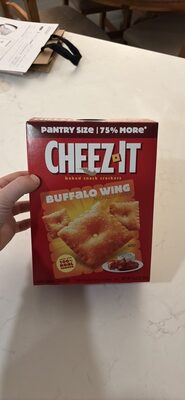 Sunshine Biscuits, Inc.
Buffalo Wing Baked Snack Crackers, Buffalo Wing
500kcal
10Protein
26.7Fat
63.3Carbs
Sunshine Biscuits, Inc.
Buffalo Wing Baked Snack Crackers, Buffalo Wing
500kcal
10Protein
26.7Fat
63.3Carbs
 Keebler Company
Cinnamon Baked Graham Cracker Snacks, Cinnamon
429kcal
7.1Protein
14.3Fat
75Carbs
The Kellogg Company
Kellogg's Apple Jacks Cereal Bars, 0.7 Oz, 6 Count
450kcal
5Protein
15Fat
75Carbs
Keebler Company
Cinnamon Baked Graham Cracker Snacks, Cinnamon
429kcal
7.1Protein
14.3Fat
75Carbs
The Kellogg Company
Kellogg's Apple Jacks Cereal Bars, 0.7 Oz, 6 Count
450kcal
5Protein
15Fat
75Carbs
Learn more
Auto-generated content. This description was generated automatically and is pending editorial review. Inaccuracies are possible. Found a mistake? Contact us.