Vitamin B1 Thiamine Mononitrate
What is Vitamin B1 Thiamine Mononitrate?
Thiamine mononitrate is a synthetic form of vitamin B1, an essential nutrient. It is made through a chemical process involving thiamine and nitric acid. It is often used to fortify foods because it is more stable than other forms of thiamine.
Is Vitamin B1 Thiamine Mononitrate vegan?
Vitamin B1 Thiamine Mononitrate is not animal-derived. Products that contain it can still include other animal-derived ingredients, so check the full ingredient list.
Is Vitamin B1 Thiamine Mononitrate gluten-free?
It does not contain gluten.
Is Vitamin B1 Thiamine Mononitrate a major allergen?
Not a major allergen.
What is Vitamin B1 Thiamine Mononitrate used for?
Manufacturers add thiamine mononitrate to foods to increase their vitamin B1 content, helping to prevent deficiencies.
Is Vitamin B1 Thiamine Mononitrate safe?
Thiamine mononitrate is recognized as safe and effective by the FDA when used as a nutrient supplement.
Why it's used
Manufacturers add thiamine mononitrate to foods to increase their vitamin B1 content, helping to prevent deficiencies. It is commonly found in enriched grains like bread and cereal, as well as in some processed foods such as frozen pancakes and rice mixes.
Health notes
Thiamine mononitrate is recognized as safe and effective by the FDA when used as a nutrient supplement. The U.S. National Academies have established upper intake levels for thiamine. JECFA and EFSA have evaluated thiamine and its compounds, establishing acceptable daily intakes. It is crucial for energy metabolism and nerve function. Typical intake from fortified foods is not associated with adverse effects.
Allergen info
Not a major allergen. It does not contain gluten.
Foods that contain Vitamin B1 Thiamine Mononitrate
Compare products →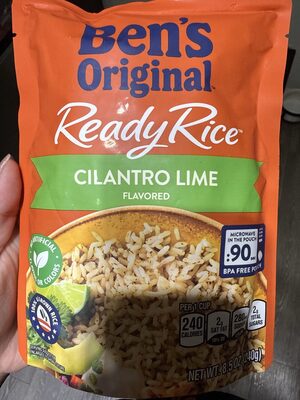 Uncle Ben's Inc.
Ben's Original Ready Rice, Cilantro Lime, 8.5 Oz. Pouch
168kcal
2.8Protein
4.2Fat
28.7Carbs
Kidfresh
Chocolate Chip Pancakes, Chocolate Chip
235kcal
8.8Protein
7.8Fat
34.3Carbs
Dart Container Corporation
Rotisserie Chicken & Roasted Red Pepper Hummus Bowl, Rotisserie Chicken & Roasted Red Pepper
277kcal
11.0Protein
10.8Fat
6.4Carbs
Uncle Ben's Inc.
Ben's Original Ready Rice, Cilantro Lime, 8.5 Oz. Pouch
168kcal
2.8Protein
4.2Fat
28.7Carbs
Kidfresh
Chocolate Chip Pancakes, Chocolate Chip
235kcal
8.8Protein
7.8Fat
34.3Carbs
Dart Container Corporation
Rotisserie Chicken & Roasted Red Pepper Hummus Bowl, Rotisserie Chicken & Roasted Red Pepper
277kcal
11.0Protein
10.8Fat
6.4Carbs
Learn more
Auto-generated content. This description was generated automatically and is pending editorial review. Inaccuracies are possible. Found a mistake? Contact us.