Vitamin B6 And Riboflavin
What is Vitamin B6 And Riboflavin?
Vitamin B6, also known as pyridoxine, and riboflavin, also known as Vitamin B2, are essential nutrients that the body needs to function. They are found naturally in many foods like whole grains, meat, poultry, fish, eggs, dairy products, and leafy green vegetables. They can also be produced synthetically for use as food additives.
Is Vitamin B6 And Riboflavin gluten-free?
Gluten is not typically associated with these vitamins.
Is Vitamin B6 And Riboflavin a major allergen?
Not a major allergen.
What is Vitamin B6 And Riboflavin used for?
Manufacturers add Vitamin B6 and riboflavin to foods to increase their nutritional value, particularly in fortified cereals, beverages, and infant formulas.
Is Vitamin B6 And Riboflavin safe?
In the U.S., vitamins are generally recognized as safe (GRAS) when used as nutrients.
Why it's used
Manufacturers add Vitamin B6 and riboflavin to foods to increase their nutritional value, particularly in fortified cereals, beverages, and infant formulas. They act as nutrients, helping to ensure consumers get adequate amounts of these essential vitamins in their diet. They are commonly found in fruit juices, nectars, and non-alcoholic beverages.
Health notes
In the U.S., vitamins are generally recognized as safe (GRAS) when used as nutrients. The National Academies have established upper intake levels for these vitamins. Both vitamins are essential for human health. JECFA and EFSA have evaluated these vitamins. Evidence does not suggest adverse health effects from consuming foods fortified with these vitamins at typical levels.
Allergen info
Not a major allergen. Gluten is not typically associated with these vitamins.
Foods that contain Vitamin B6 And Riboflavin
Compare products →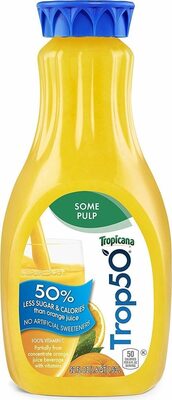 Tropicana Products, Inc.
Some Pulp Orange Juice Beverage, Some Pulp Orange
21kcal
0.4Protein
0Fat
5.4Carbs
Tropicana Products, Inc.
Some Pulp Orange Juice Beverage, Some Pulp Orange
21kcal
0.4Protein
0Fat
5.4Carbs
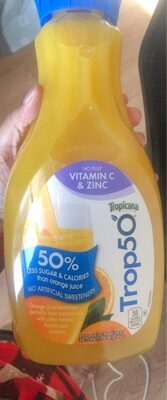 Tropicana Products, Inc.
No Pulp Orange Vitamin C & Zinc Juice Beverage, No Pulp Orange
21kcal
0.4Protein
0Fat
5.4Carbs
Pepsico Inc.
Tropicana Trop50 Orange Juice Some Pulp 59 Fluid Ounce Plastic Bottle
21kcal
0.3Protein
0.0Fat
4.7Carbs
Tropicana Products, Inc.
Orange Mango Flavored Juice Beverage Blend Of Orange And Mango Juice Partially From Concentrate With Vitamins, Orange Mango
21kcal
0.4Protein
0Fat
5Carbs
Tropicana Products, Inc.
Juice Beverage With Vitamins, Orange
21kcal
0.4Protein
0Fat
5.4Carbs
Tropicana Products, Inc.
Orange Peach Juice Beverage, Orange Peach
21kcal
0.4Protein
0Fat
4.6Carbs
Tropicana Products, Inc.
Orange Mango Juice Beverage, Orange Mango
21kcal
0.4Protein
0Fat
5Carbs
Tropicana Products, Inc.
No Pulp Orange Vitamin C & Zinc Juice Beverage, No Pulp Orange
21kcal
0.4Protein
0Fat
5.4Carbs
Pepsico Inc.
Tropicana Trop50 Orange Juice Some Pulp 59 Fluid Ounce Plastic Bottle
21kcal
0.3Protein
0.0Fat
4.7Carbs
Tropicana Products, Inc.
Orange Mango Flavored Juice Beverage Blend Of Orange And Mango Juice Partially From Concentrate With Vitamins, Orange Mango
21kcal
0.4Protein
0Fat
5Carbs
Tropicana Products, Inc.
Juice Beverage With Vitamins, Orange
21kcal
0.4Protein
0Fat
5.4Carbs
Tropicana Products, Inc.
Orange Peach Juice Beverage, Orange Peach
21kcal
0.4Protein
0Fat
4.6Carbs
Tropicana Products, Inc.
Orange Mango Juice Beverage, Orange Mango
21kcal
0.4Protein
0Fat
5Carbs
Learn more
Auto-generated content. This description was generated automatically and is pending editorial review. Inaccuracies are possible. Found a mistake? Contact us.