Vitamin B6 Pyridoxine
What is Vitamin B6 Pyridoxine?
Vitamin B6, also known as pyridoxine, is a water-soluble vitamin that is essential for human health. It occurs naturally in many foods, including fruits, vegetables, and meats. It can also be produced synthetically for use in fortified foods and supplements.
Is Vitamin B6 Pyridoxine vegan?
Vitamin B6 Pyridoxine is not animal-derived. Products that contain it can still include other animal-derived ingredients, so check the full ingredient list.
Is Vitamin B6 Pyridoxine gluten-free?
It does not contain gluten.
Is Vitamin B6 Pyridoxine a major allergen?
Vitamin B6 is not derived from any of the nine major allergens recognized by the FDA.
What is Vitamin B6 Pyridoxine used for?
Manufacturers add vitamin B6 to foods and beverages to increase their nutritional value.
Is Vitamin B6 Pyridoxine safe?
Vitamin B6 is recognized as safe and effective by the FDA when used as a nutrient supplement.
Why it's used
Manufacturers add vitamin B6 to foods and beverages to increase their nutritional value. It is often found in fortified cereals, infant formulas, and energy drinks. It plays a role in metabolism and is important for brain development.
Health notes
Vitamin B6 is recognized as safe and effective by the FDA when used as a nutrient supplement. The National Academies of Sciences, Engineering, and Medicine have established a tolerable upper intake level for vitamin B6. JECFA and EFSA have evaluated vitamin B6 and have established acceptable daily intakes. At typical dietary intake levels, vitamin B6 is safe and beneficial. High doses from supplements, however, have been linked to nerve damage in some cases.
Allergen info
Vitamin B6 is not derived from any of the nine major allergens recognized by the FDA. It does not contain gluten.
Foods that contain Vitamin B6 Pyridoxine
Compare products →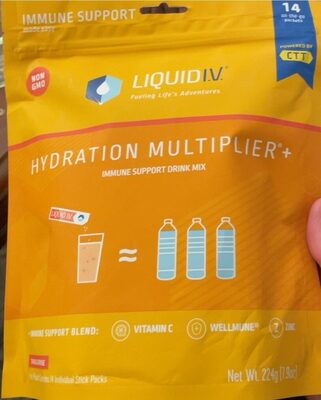 The LIV Group Inc.
Tangerine Hydration Multiplier + Immune Support Drink Mix, Tangerine
High in sodium — 22% DV per serving
High in added sugars — 22% DV per serving
281kcal
0Protein
0Fat
68.8Carbs
The LIV Group Inc.
Tangerine Hydration Multiplier + Immune Support Drink Mix, Tangerine
High in sodium — 22% DV per serving
High in added sugars — 22% DV per serving
281kcal
0Protein
0Fat
68.8Carbs
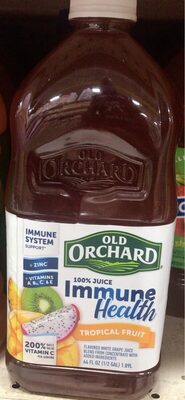 Old Orchard Brands LLC.
Tropical Fruit Flavored White Grape 100% Juice Immune Health Blend From Concentrate, Tropical Fruit
58kcal
0Protein
0Fat
15Carbs
Old Orchard Brands LLC.
Tropical Fruit Flavored White Grape 100% Juice Immune Health Blend From Concentrate, Tropical Fruit
58kcal
0Protein
0Fat
15Carbs
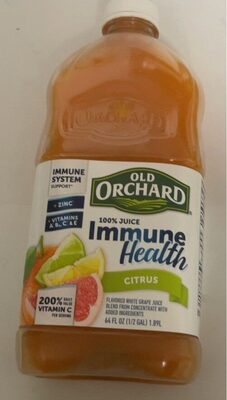 Old Orchard Brands LLC.
Citrus Flavored Immune Health White Grape 100% Juice Blend From Concentrate, Citrus
54kcal
0Protein
0Fat
12.9Carbs
Old Orchard Brands LLC.
Citrus Flavored Immune Health White Grape 100% Juice Blend From Concentrate, Citrus
54kcal
0Protein
0Fat
12.9Carbs
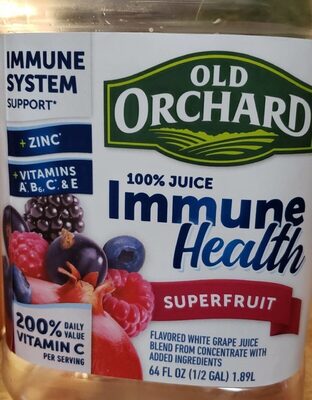 Old Orchard Brands LLC.
Superfruit Flavored 100% White Grape Juice Blend From Concentrate, Superfruit
54kcal
0Protein
0Fat
13.8Carbs
Old Orchard Brands LLC.
100% Citrus Flavored White Grape Juice Blend Frozen Concentrate, Citrus
217kcal
0Protein
0Fat
51.7Carbs
Old Orchard Brands LLC.
Superfruit Flavored 100% White Grape Juice Blend From Concentrate, Superfruit
54kcal
0Protein
0Fat
13.8Carbs
Old Orchard Brands LLC.
100% Citrus Flavored White Grape Juice Blend Frozen Concentrate, Citrus
217kcal
0Protein
0Fat
51.7Carbs
Learn more
Auto-generated content. This description was generated automatically and is pending editorial review. Inaccuracies are possible. Found a mistake? Contact us.