Vitamin E To Preserve Freshness
Auto-generated content. This description was generated automatically and is pending editorial review. Inaccuracies are possible. Found a mistake? Contact us.
What it is
Vitamin E is a group of fat-soluble compounds that occur naturally in many foods. The most active form in humans is alpha-tocopherol. It is often produced commercially by chemical synthesis from petroleum derivatives or by extraction from vegetable oils.
Why it's used
Vitamin E is added to foods as an antioxidant to preserve freshness by preventing fats and oils from becoming rancid. It is commonly found in processed foods where fats and oils are present, such as snack bars, baked goods, and nut butters.
Health notes
In the US, vitamin E is generally recognized as safe (GRAS) by the FDA when used as a nutrient or preservative. It is an essential nutrient, and the National Academies of Sciences, Engineering, and Medicine have established a daily upper intake level. JECFA and EFSA have also evaluated vitamin E. At typical dietary intake levels, it is considered safe and beneficial as an antioxidant.
Allergen info
Vitamin E itself is not a major allergen. However, if it is derived from soy or wheat, those allergens may be present in the final product. It is not a source of gluten.
Products containing Vitamin E To Preserve Freshness
Compare products →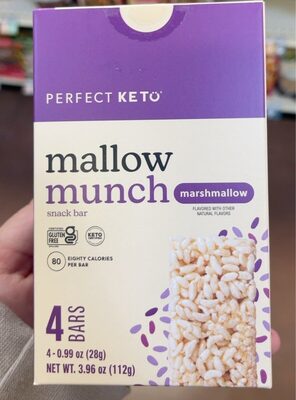 Perfect Keto
Marshmallow Mallow Munch Snack Bars, Marshmallow
286kcal
32.1Protein
12.5Fat
46.4Carbs
Perfect Keto
Marshmallow Mallow Munch Snack Bars, Marshmallow
286kcal
32.1Protein
12.5Fat
46.4Carbs
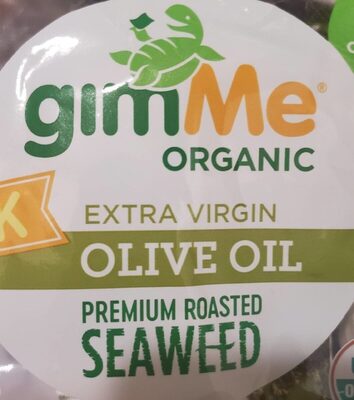 Gimme Health Foods, Inc.
Extra Virgin Olive Oil Roasted Seaweed Snacks
600kcal
20Protein
50Fat
20Carbs
Gimme Health Foods, Inc.
Extra Virgin Olive Oil Roasted Seaweed Snacks
600kcal
20Protein
50Fat
20Carbs
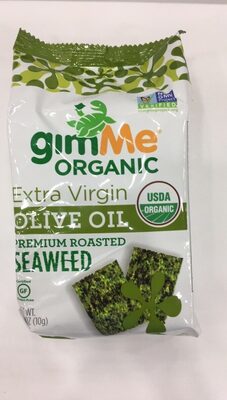 Gimme Health Foods, Inc.
Extra Virgin Olive Oil Roasted Seaweed Snacks
600kcal
20Protein
50Fat
20Carbs
Gimme Health Foods, Inc.
Extra Virgin Olive Oil Roasted Seaweed Snacks
600kcal
20Protein
50Fat
20Carbs