Vitamins & Minerals: Calcium Phosphate
What is Vitamins & Minerals: Calcium Phosphate?
Calcium phosphate is a mineral compound that occurs naturally in the body and in foods. It is manufactured for use in food by combining calcium and phosphorus, often from sources like limestone or animal bones. It is available in several forms, including monocalcium phosphate, dicalcium phosphate, and tricalcium phosphate.
Is Vitamins & Minerals: Calcium Phosphate gluten-free?
It does not contain gluten.
Is Vitamins & Minerals: Calcium Phosphate a major allergen?
Calcium phosphate is not derived from any of the 9 major allergens.
What is Vitamins & Minerals: Calcium Phosphate used for?
Manufacturers add calcium phosphate to foods to fortify them with calcium and phosphorus, which are essential nutrients.
Is Vitamins & Minerals: Calcium Phosphate safe?
Calcium phosphate is generally recognized as safe (GRAS) by the FDA for use in food.
Why it's used
Manufacturers add calcium phosphate to foods to fortify them with calcium and phosphorus, which are essential nutrients. It can also act as an anti-caking agent, helping to keep powders free-flowing, and as a dough conditioner in baked goods. It is commonly found in cereals, baked goods, powdered drinks, and dairy products.
Health notes
Calcium phosphate is generally recognized as safe (GRAS) by the FDA for use in food. It is a source of essential minerals, calcium and phosphorus, important for bone health. JECFA and EFSA have evaluated calcium phosphate and found it to be safe. High intakes of phosphorus from supplements can affect calcium balance, but this is not typically a concern from food sources.
Allergen info
Calcium phosphate is not derived from any of the 9 major allergens. It does not contain gluten.
Foods that contain Vitamins & Minerals: Calcium Phosphate
Compare products →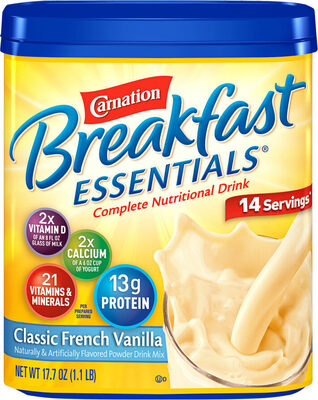 Nestle USA Inc.
Classic French Vanilla Flavored Nutritional Drink, Classic French Vanilla
361kcal
13.9Protein
0Fat
75Carbs
Nestle USA Inc.
Classic French Vanilla Flavored Nutritional Drink, Classic French Vanilla
361kcal
13.9Protein
0Fat
75Carbs
 Nestle USA Inc.
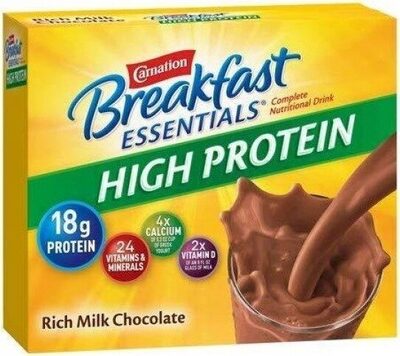
Rich Milk Chocolate Complete Nutritional Drink Mix, Milk Chocolate
High in added sugars — 20% DV per serving
351kcal
27.0Protein
2.7Fat
56.8Carbs
EDUFOODS, LLC
Organic Multigrain Flake Cereal, Carrot Raising Crunch
345kcal
9.1Protein
1.8Fat
80Carbs
Designer Protein LLC
Protein With Green Coffee Berry & Garcinia Cambogia, Coconut Vanilla Delight
375kcal
62.5Protein
—Fat
31.2Carbs
Nestle USA Inc.
Rich Milk Chocolate Complete Nutritional Drink Mix, Milk Chocolate
High in added sugars — 20% DV per serving
351kcal
27.0Protein
2.7Fat
56.8Carbs
EDUFOODS, LLC
Organic Multigrain Flake Cereal, Carrot Raising Crunch
345kcal
9.1Protein
1.8Fat
80Carbs
Designer Protein LLC
Protein With Green Coffee Berry & Garcinia Cambogia, Coconut Vanilla Delight
375kcal
62.5Protein
—Fat
31.2Carbs
Learn more
Auto-generated content. This description was generated automatically and is pending editorial review. Inaccuracies are possible. Found a mistake? Contact us.