Wasabi Oil
Auto-generated content. This description was generated automatically and is pending editorial review. Inaccuracies are possible. Found a mistake? Contact us.
What it is
Wasabi oil is extracted from the seeds of the wasabi plant (Eutrema japonicum), the same plant used to make the pungent green paste. The oil is typically produced through cold-pressing the seeds, which helps to preserve their flavor and beneficial compounds.
Why it's used
Wasabi oil is primarily used as a flavoring agent to impart a spicy, pungent kick similar to fresh wasabi. Manufacturers add it to snacks like popcorn, nuts, and chips, as well as salad dressings and other savory products where a distinct heat is desired.
Health notes
In the U.S., wasabi oil is generally recognized as safe (GRAS) for use as a flavoring. Regulatory bodies like JECFA and EFSA have evaluated various compounds found in wasabi, but specific evaluations for wasabi oil's health effects at typical consumption levels are limited. Some research suggests potential anti-inflammatory and antioxidant properties, but more studies are needed to confirm these benefits.
Allergen info
Wasabi oil is not derived from any of the nine FDA major allergens. It does not contain gluten.
Products containing Wasabi Oil
Compare products →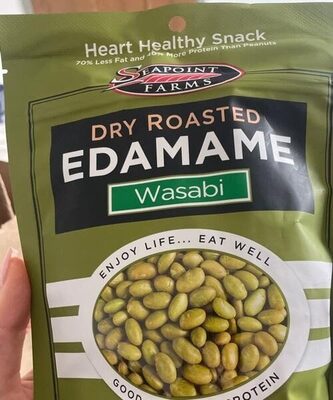 Seapoint Farms, LLC
Dry Roasted Edamame, Spicy Wasabi
433kcal
43.3Protein
13.3Fat
33.3Carbs
Finlay Extracts & Ingredients USA, Inc.
Roundy's, Wasabi Almonds
571kcal
17.9Protein
50Fat
21.4Carbs
Wegmans Food Markets, Inc.
Honey Roasted Wasabi Ginger Cashews
536kcal
14.3Protein
35.7Fat
46.4Carbs
E.J. Koncepts Inc.
Spread
357kcal
0Protein
35.7Fat
7.1Carbs
World Foods Products Inc.
Wasabi Peas
373kcal
15Protein
7Fat
51.8Carbs
Stonewall Kitchen Ltd.
Horseradish Aioli
600kcal
0Protein
66.7Fat
0Carbs
Giant Eagle, Inc.
Wasabi Soybeans
400kcal
43.3Protein
13.3Fat
30Carbs
Jo-Lee Food Products, Inc.
Wasabi Peas
400kcal
13.3Protein
8.3Fat
63.3Carbs
Seapoint Farms, LLC
Dry Roasted Edamame, Spicy Wasabi
433kcal
43.3Protein
13.3Fat
33.3Carbs
Finlay Extracts & Ingredients USA, Inc.
Roundy's, Wasabi Almonds
571kcal
17.9Protein
50Fat
21.4Carbs
Wegmans Food Markets, Inc.
Honey Roasted Wasabi Ginger Cashews
536kcal
14.3Protein
35.7Fat
46.4Carbs
E.J. Koncepts Inc.
Spread
357kcal
0Protein
35.7Fat
7.1Carbs
World Foods Products Inc.
Wasabi Peas
373kcal
15Protein
7Fat
51.8Carbs
Stonewall Kitchen Ltd.
Horseradish Aioli
600kcal
0Protein
66.7Fat
0Carbs
Giant Eagle, Inc.
Wasabi Soybeans
400kcal
43.3Protein
13.3Fat
30Carbs
Jo-Lee Food Products, Inc.
Wasabi Peas
400kcal
13.3Protein
8.3Fat
63.3Carbs
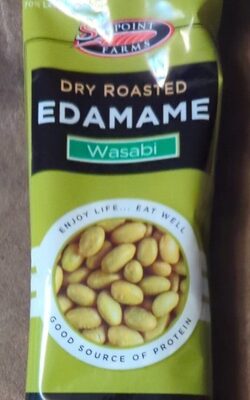 Seapoint Farms, LLC
Wasabi Dry Roasted Edamame, Wasabi
444kcal
44.4Protein
13.3Fat
35.6Carbs
Seapoint Farms, LLC
Wasabi Dry Roasted Edamame, Wasabi
444kcal
44.4Protein
13.3Fat
35.6Carbs
Seapoint Farms, LLC
Wasabi Dry Roasted Edamame, Wasabi
444kcal
44.4Protein
13.3Fat
35.6Carbs
Seapoint Farms, LLC
Wasabi Dry Roasted Edamame, Wasabi
444kcal
44.4Protein
13.3Fat
35.6Carbs
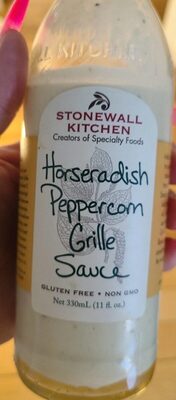 Stonewall Kitchen Ltd.
Horseradish Peppercorn Grille Sauce
500kcal
3.3Protein
53.3Fat
3.3Carbs
Stonewall Kitchen Ltd.
Horseradish Peppercorn Grille Sauce
500kcal
3.3Protein
53.3Fat
3.3Carbs